
The University of Iowa Department of Chemical and Biochemical Engineering offers both thesis and non-thesis Master's of Science programs, a Doctor of Philosophy program, and a five-year U2G program. Graduate students in the Department of Chemical and Biochemical Engineering gain an understanding of the principles of engineering science, with a focus on a chosen research area.
Information for Graduate Students





Student Learning Outcomes
MS graduates will:
- Demonstrate a mastery of core chemical engineering concepts;
- Effectively communicate scientific concepts and/or research results in both written and oral formats to scientific and general audiences;
- Demonstrate knowledge of and commitment to safe and ethical behavior through adherence to best safety practices and academic integrity principles.
- Students completing the program with thesis will additionally demonstrate the abilities to:
- Demonstrate the ability to perform independent research, critically identify and solve research problems, summarize disciplinary information, evaluate research findings.
PhD graduates will:
- Demonstrate a mastery of core chemical engineering concepts;
- effectively communicate scientific concepts and/or research results in both written and oral formats to scientific and general audiences;
- Demonstrate the ability to perform independent research, critically identify and solve research problems, summarize disciplinary information, evaluate research findings;
- Demonstrate knowledge of and commitment to safe and ethical behavior through adherence to best safety practices and academic integrity principles.
Contacts
Eric Nuxoll
Associate Professor, Chemical and Biochemical Engineering
The director of graduate admissions recruits and serves as the first point of contact for prospective graduate students.

Alec Scranton
Professor, Chemical and Biochemical Engineering
The director of graduate studies is an advocate for graduate students and their success. He advises incoming students, coordinates the research advisor selection process, monitors and tracks student progress, and is a point of contact for graduate program questions.

Jun Wang
Lichtenberger Family Chair in Chemical and Biochemical Engineering
The departmental executive officer is the academic administrator the Department of Chemical and Biochemical Engineering.
Sara Hartman
The graduate program specialist is a contact for prospective, incoming, and current students for anything related to the academic program.

Amanda Jensen
The department administrator is a point of contact for anything related to graduate student human resources, finance, travel, and administrative odds and ends.
News Highlights
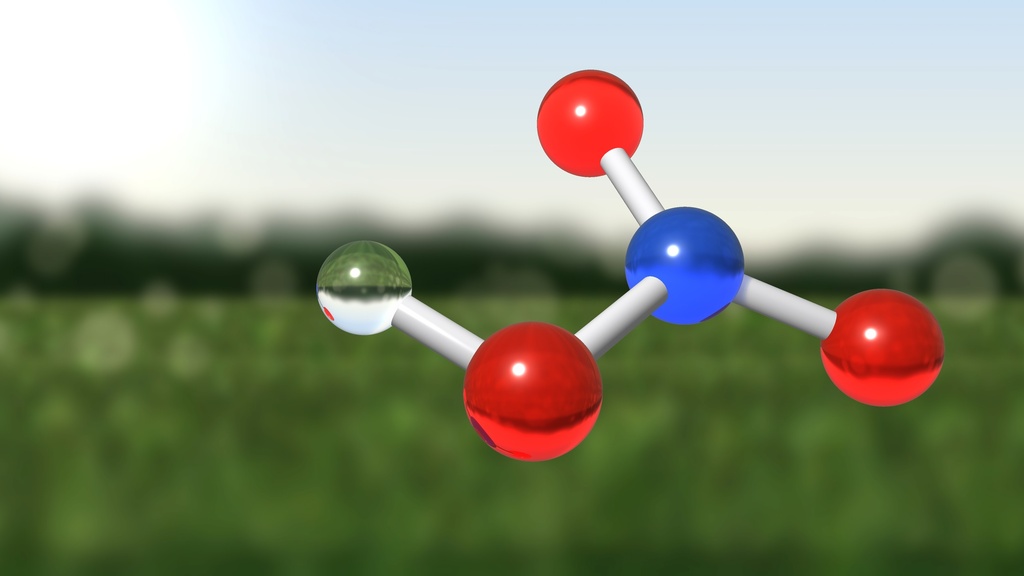
UI engineering professor leads DARPA project to make nitric acid from air and water

Engineering alumnus Young Sunwoo awarded 2026 International Impact Award
