About the program
The Sustainable Water Development program is more than just a graduate track—it's a mission-driven initiative that prepares professionals to tackle one of the world’s most pressing issues: access to clean water. Through a dynamic blend of cutting-edge research, community service, and professional development, students are trained to serve communities most in need while advancing sustainable solutions at the intersection of food, energy, and water systems.
Rooted in the University of Iowa’s renowned Environmental Engineering and Science (EES) and Hydraulics and Water Resources (HWR) graduate programs, this multidisciplinary initiative addresses the complex realities of water resource management in a changing world.
Students explore topics such as:
- Water quality and pollution control
- Environmental chemistry and microbiology
- Natural systems modeling
- Sustainable treatment processes
Whether it’s designing systems for clean drinking water, managing agricultural runoff, or developing technologies for water reuse, students gain hands-on experience and deep technical knowledge to create lasting impact.
The program emphasizes:
- Modern technologies and design strategies, including those tailored for underserved and developing communities
- Interdisciplinary collaboration across engineering, meteorology, remote sensing, and systems analysis
- Community engagement and service learning to ensure solutions are both effective and accessible
Graduates emerge as leaders ready to implement projects that reduce waste, promote alternative energy, and build resilient water systems for future generations.
Courses of interest
- CEE:5380 Fluid Flows in Environmental Systems
- CEE:5410 Politics and Economics of the Food, Energy, Water Nexus
- CEE:5095 Career Paths in Sustainable Water Development
Research centers
In collaboration with IIHR—Hydroscience and Engineering and the Iowa Flood Center, students engage in:
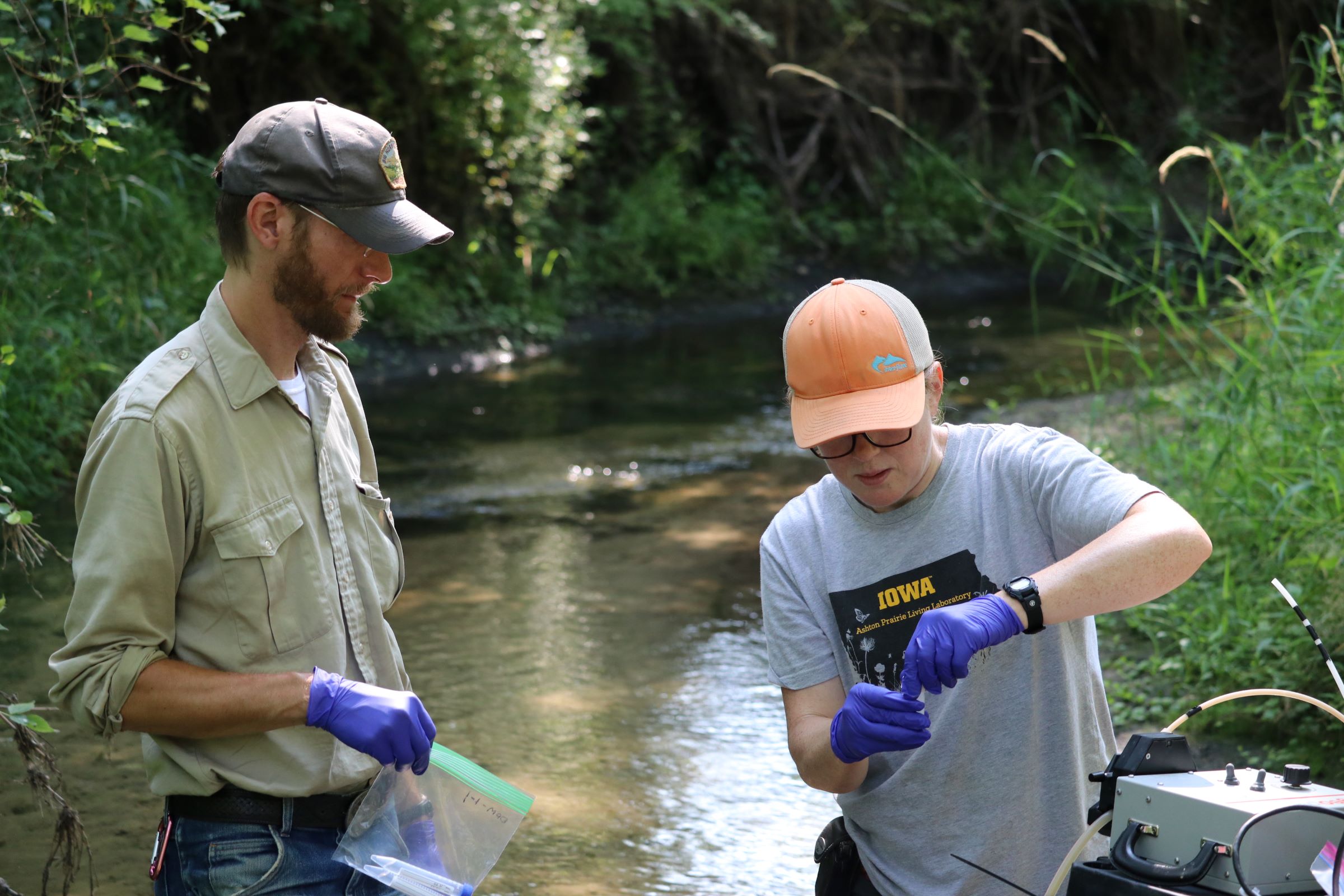
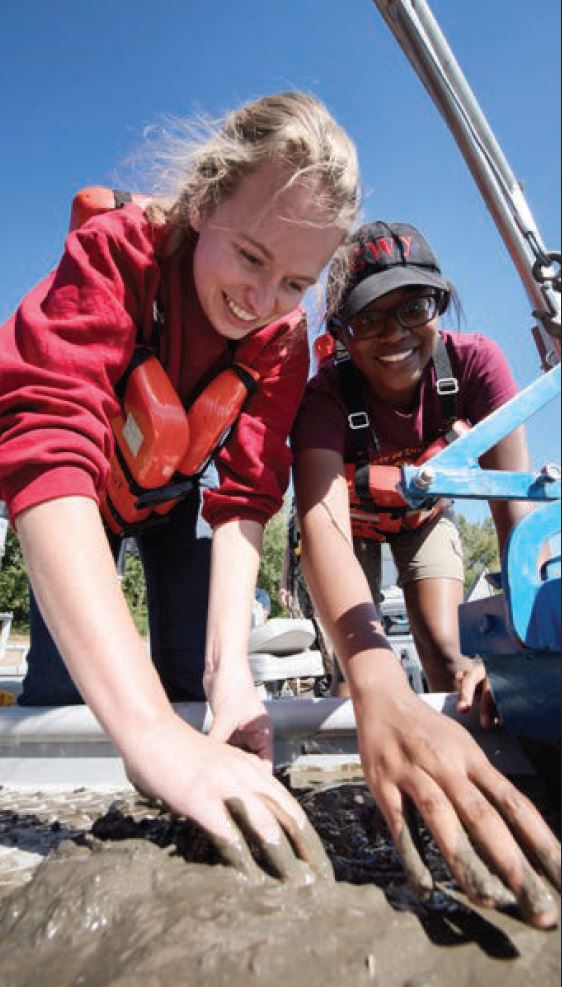
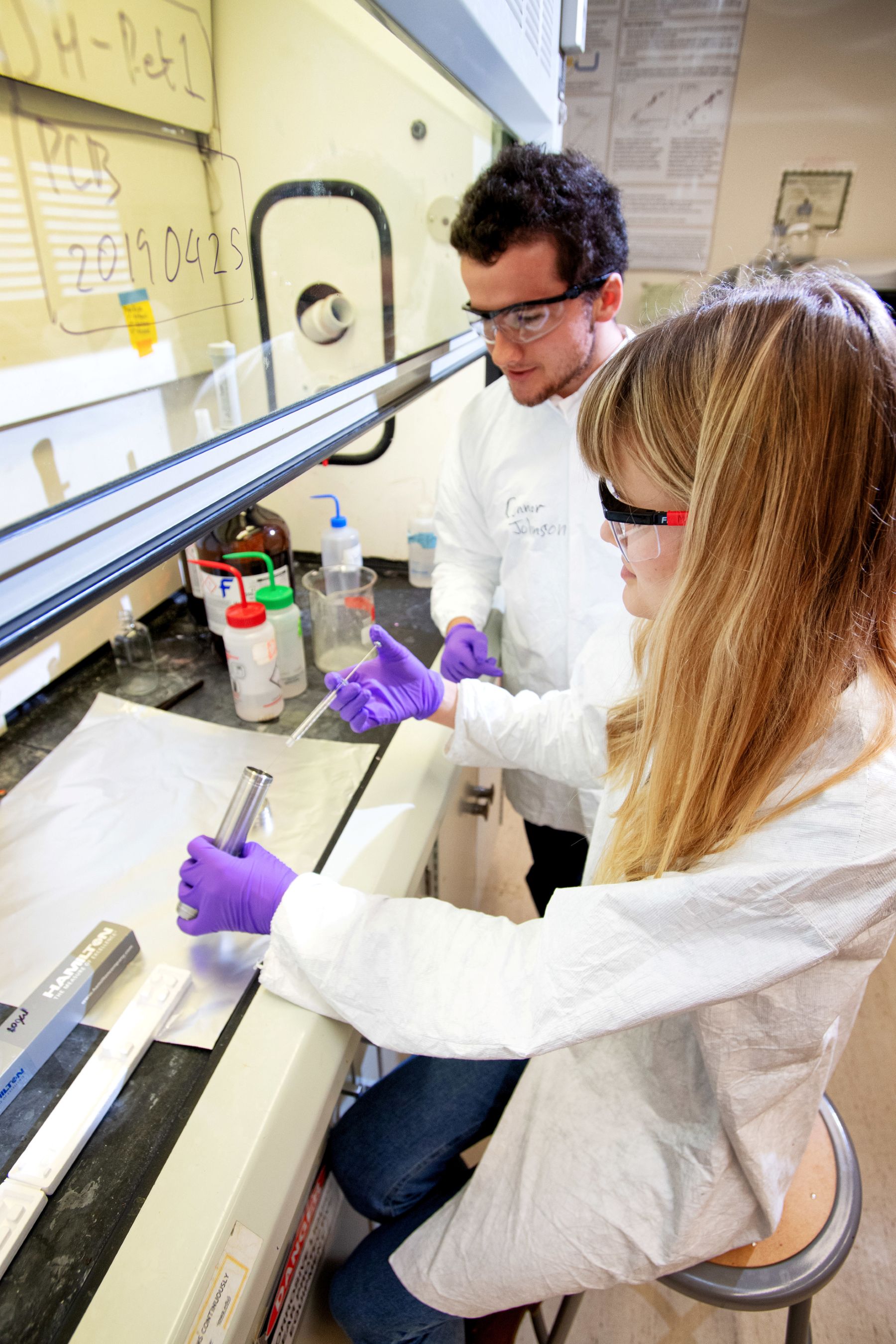
- Field and lab experimentation
- Advanced computational modeling
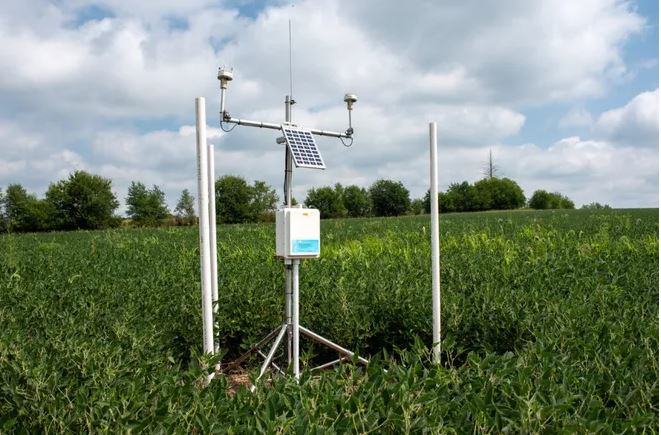
- Flood prediction and monitoring
This applied learning approach ensures graduates are not only technically proficient but also capable of addressing real-world challenges with innovative, data-driven solutions.