CBE News

Engineering student, Navy veteran Lutz attends commissioning of USS Iowa
Tuesday, April 15, 2025
University of Iowa junior and U.S. Navy veteran Thomas Lutz attended the commissioning ceremony of the USS Iowa on April 5 in Groton, Connecticut, as a guest of the Crystal Group.

Iowa Engineering professor patents noninvasive method to kill medical implant infections
Monday, March 31, 2025
Eric Nuxoll, University of Iowa associate professor of chemical and biochemical engineering, has invented a noninvasive alternative to surgical interventions that uses a magnetic nanoparticle coating to heat the infection, reducing tissue damage and patient trauma.

CBE Student Spotlight: Ellie Johnson
Thursday, March 6, 2025
Ellie Johnson is a fourth-year undergraduate student in Chemical and Biochemical Engineering with a Chemistry minor.

CBE Alumni Spotlight: Konna Zoga
Thursday, February 27, 2025
Konna Zoga is a Chemical Engineering alumna from the University of Iowa. She is currently working as a Development Engineer at Field Medical. Learn more about Konna and how she has utilized her ChemE degree throughout her career!
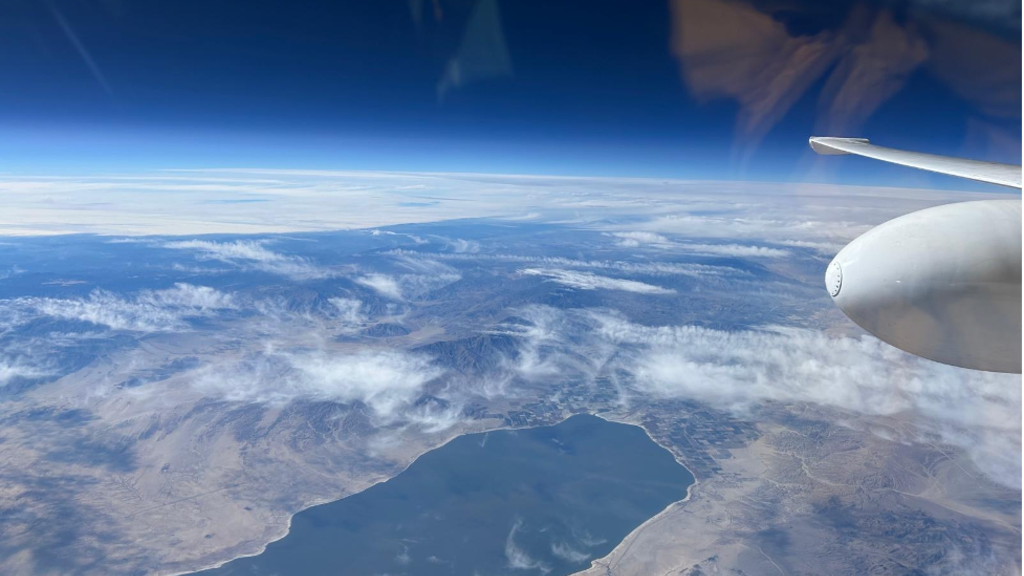
UI graduate students get first-hand experience with NASA airborne research
Tuesday, February 18, 2025
University of Iowa students recently experienced airborne research firsthand, traveling to California's Mojave Desert for a NASA mission to verify satellite data using a high-altitude aircraft soaring 12 miles above Earth.

Wang attends 10th DSCOVR EPIC and NISTAR Science Team Meeting
Friday, February 14, 2025
Jun Wang, professor and DEO of chemical and biochemical engineering, attended 10th DSCOVR EPIC and NISTAR Science Team Meeting, presented his team's aerosol layer height data product, and participated in a meeting and group photo with former U.S. vice president Al Gore.
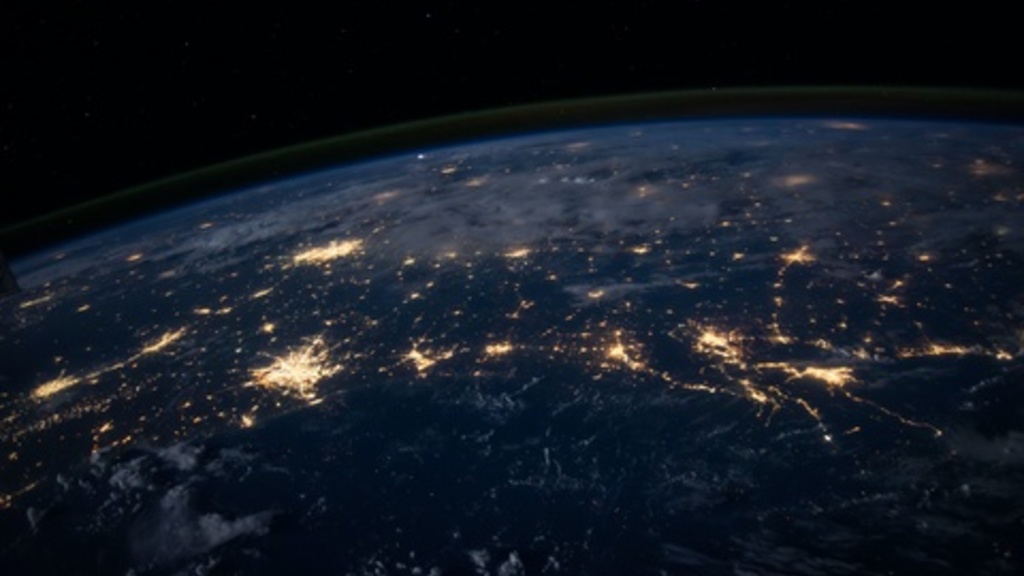
Iowa researchers studying aerosol data from International Space Station
Thursday, February 6, 2025
Jun Wang, professor and DEO of chemical and biochemical engineering, is leading a new NASA study to gain insights into the complex interactions between aerosols and climate, enabling scientists to better predict and mitigate the effects of climate change.
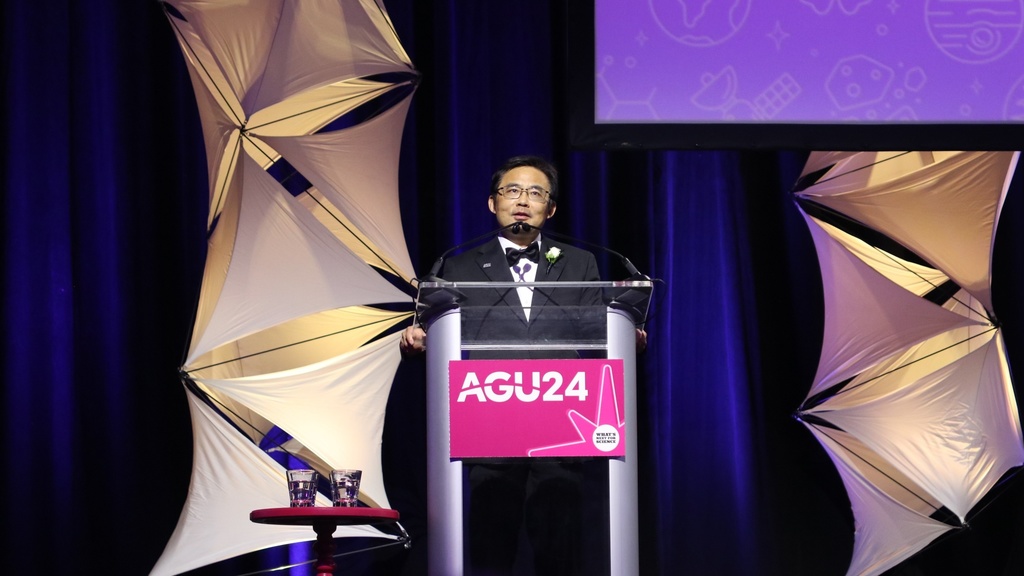
Wang wins 2024 Joanne Simpson Medal
Thursday, January 2, 2025
Jun Wang, University of Iowa’s Lichtenberger Family Chair in Chemical and Biochemical Engineering, was awarded the 2024 Joanne Simpson Medal for mid-career scientists in recognition of significant contributions to Earth and space science.
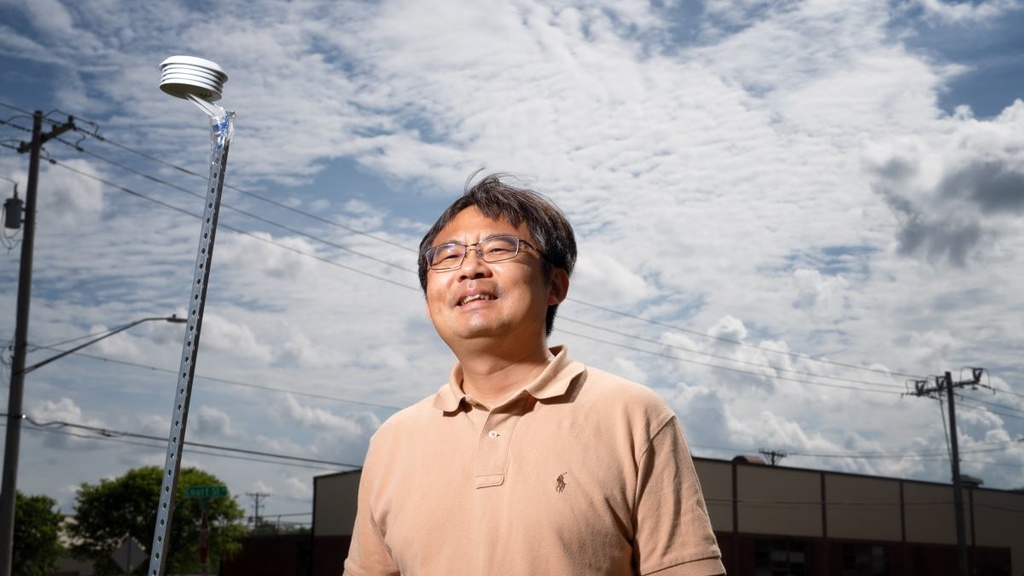
Wang leads $4.9M project to create a space instrument for studying tiny particles in the atmosphere
Monday, December 16, 2024
A new space instrument being developed at the University of Iowa College of Engineering in collaboration with NASA’s Jet Propulsion Laboratory will help scientists probe how tiny particles in the air known as aerosols are distributed three dimensionally across the world, influencing cloud, weather, and climate patterns

New distillation column enhances learning in CBE lab
Thursday, December 12, 2024
A new distillation column in the CBE lab is enhancing students' understanding of chemical processes by allowing real-time observation. This upgrade, supported by alumni donations, bridges the gap between theory and practice.

CBE Student Internship Spotlight: Liam Horan
Tuesday, December 10, 2024
Liam Horan, an undergraduate chemical engineering student, is an intern with Fauske & Associates (FAI), a world leader in nuclear, industrial, and chemical process safety.

McGill secures 3-year, $4.5M NASA Instrument Incubator Program award
Wednesday, December 4, 2024
Matthew McGill, a University of Iowa professor of chemical and biochemical engineering and faculty affiliate of the Iowa Technology Institute, was awarded a three-year, $4.5 million NASA grant to develop a cost-effective way to measure changes in the Earth’s atmosphere.