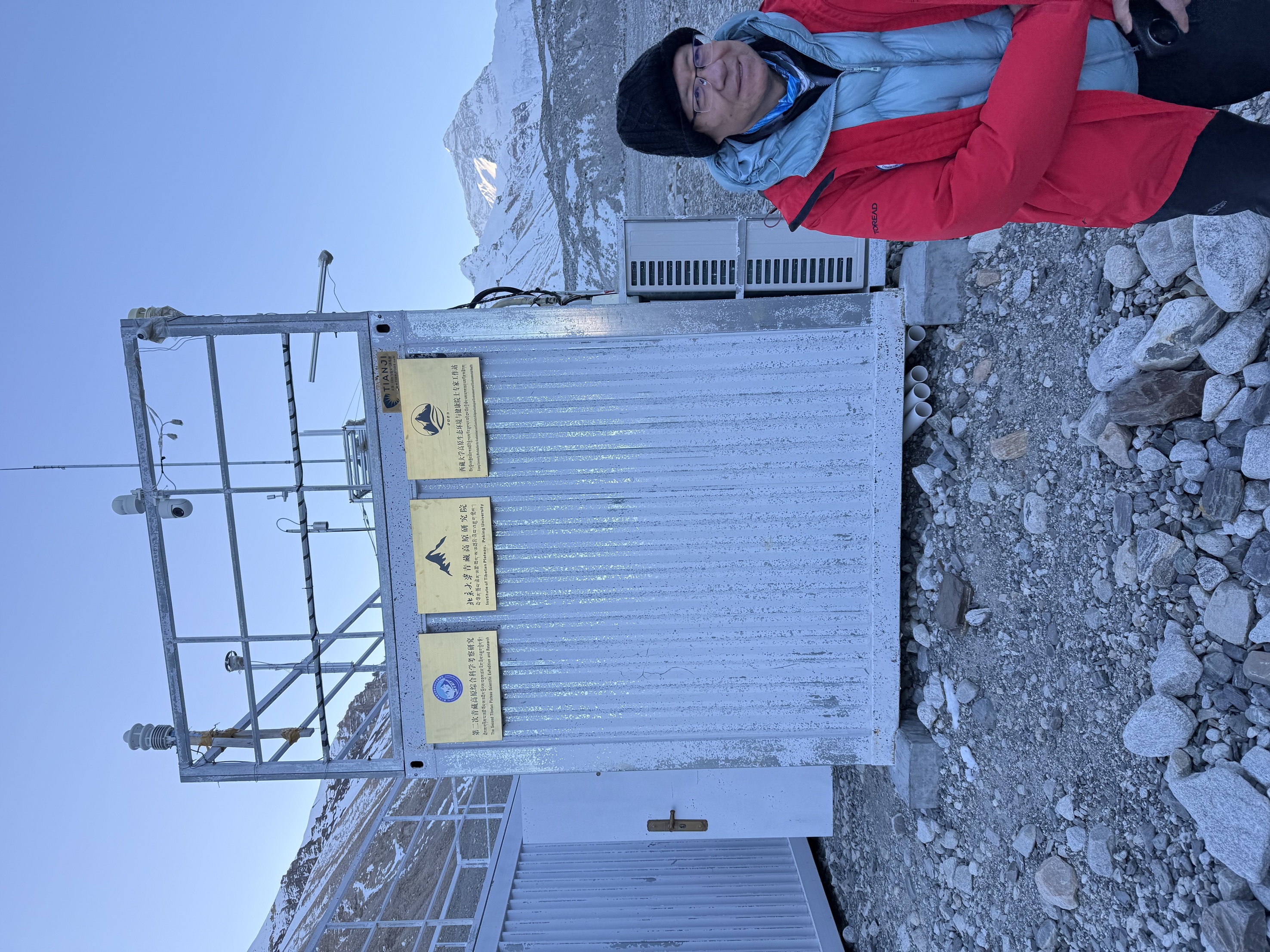
Perched 5,300 meters above sea level — 17,388 feet — on the north face of Mt. Everest, a remote weather station is providing scientists with a window into the atmosphere at an important environmental crossroads.
At this elevation, greenhouse gases, air pollutants, and ozone-depleting substances carried to Tibet from other parts of China, India, and Central Asia can be observed. The site is among the newest and highest atmospheric monitoring locations on Earth.
"If you want to know what is going on from a global climate change perspective, this is a great place to do it," said Gregory Carmichael, University of Iowa's Karl Kammermeyer Professor of Chemical and Biochemical Engineering.
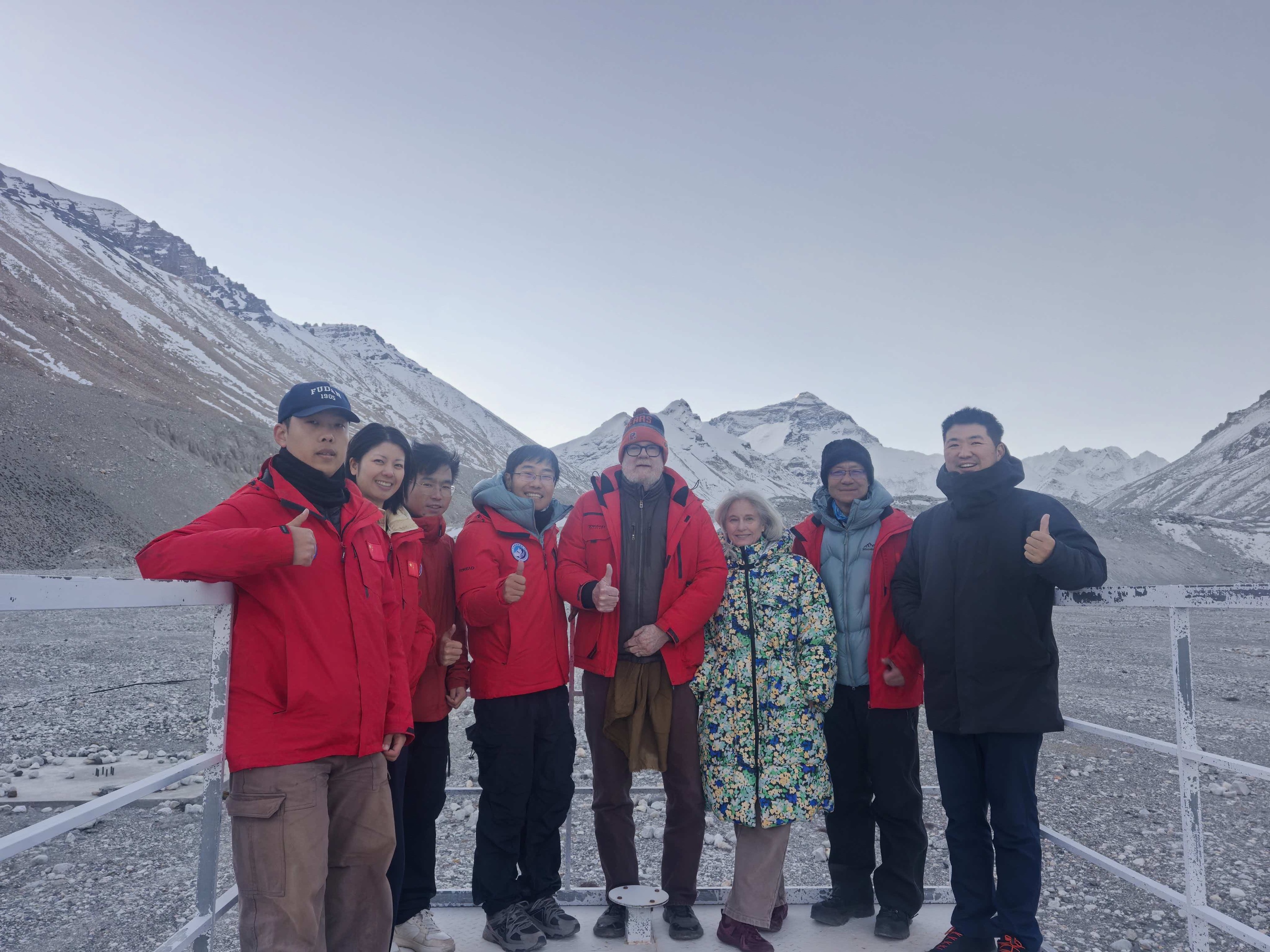
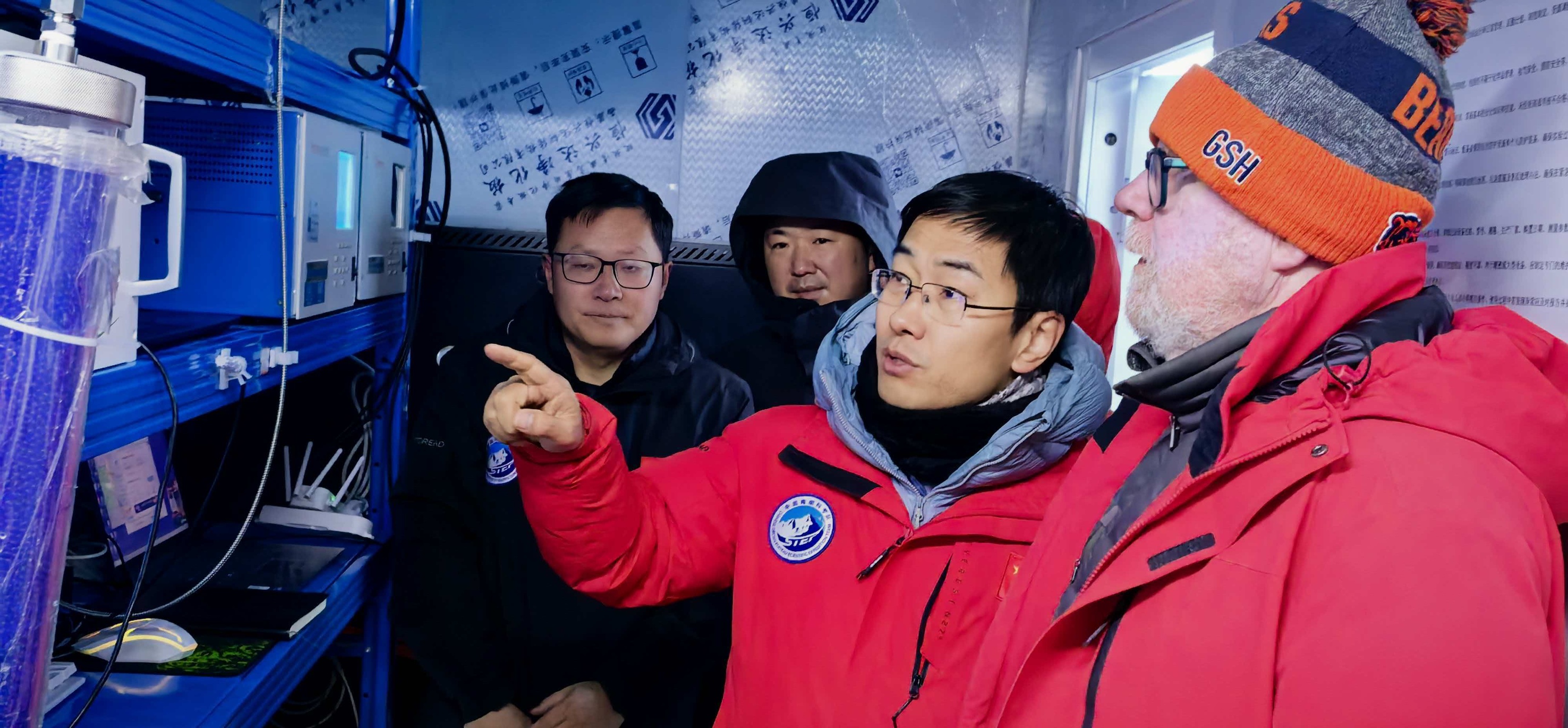
In October, Carmichael, an internationally recognized leader in air quality and atmospheric science, became the first western scientist to visit the site, according to site hosts. The visit reflects the UI's important role in international efforts to better understand Earth's atmosphere and climate systems.
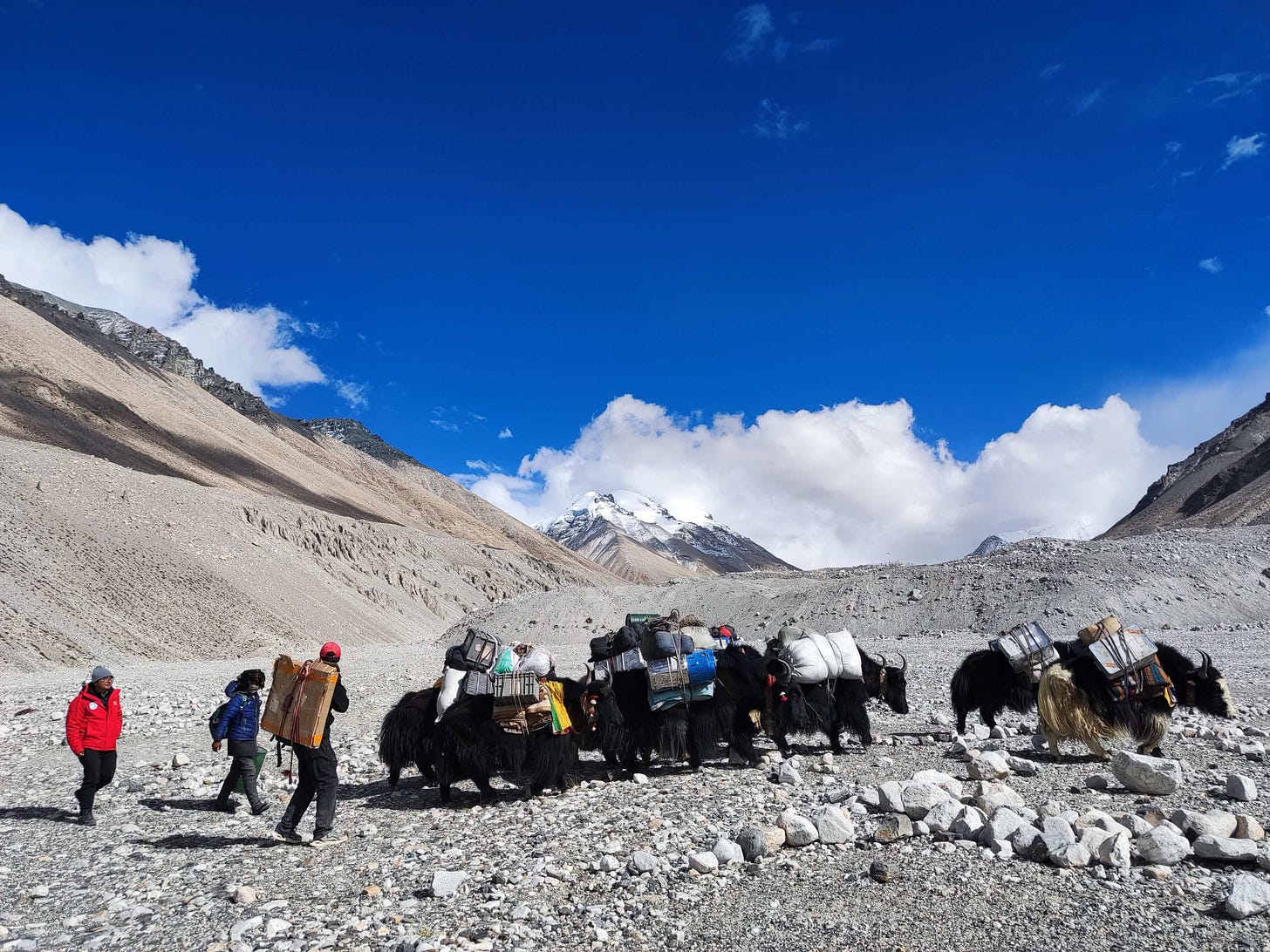
The journey required multiple days of acclimatization to the extreme altitude. The location was so remote and rugged yaks were needed to transport equipment and supplies to construct the facility.
As chair of the scientific steering committee of the Global Greenhouse Gas Watch — a United Nations World Meteorological Organization initiative to coordinate observation systems around the world — the visit was an important step toward formally adding the site to the United Nations observation network so the data can be shared with scientists around the world.
Carmichael was joined by Meng Gao, a UI alumnus who earned both master's and doctoral degrees under his mentorship, as well as Carmichael's wife, Margaret Eginton, and a small group of scientists.
"The measurements collected there can help us better understand how pollution and climate-related emissions move across borders and affect regions far beyond their source," Carmichael said.
The station, which was established in 2024, is a collaboration among Peking University, the Tibetan local government, and the Chinese Academy of Sciences Institute of Tibetan Plateau Research.