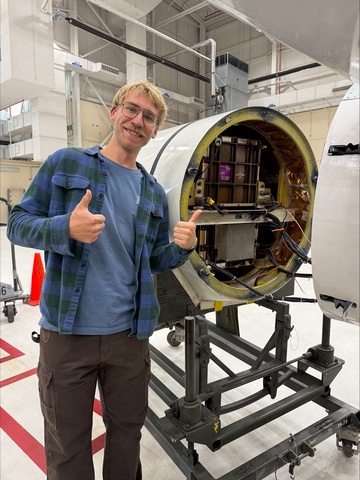
For University of Iowa chemical and biochemical engineering PhD student Jackson Begolka, the past year has taken him far beyond the traditional boundaries of an engineering education.
It began with a bicycle.
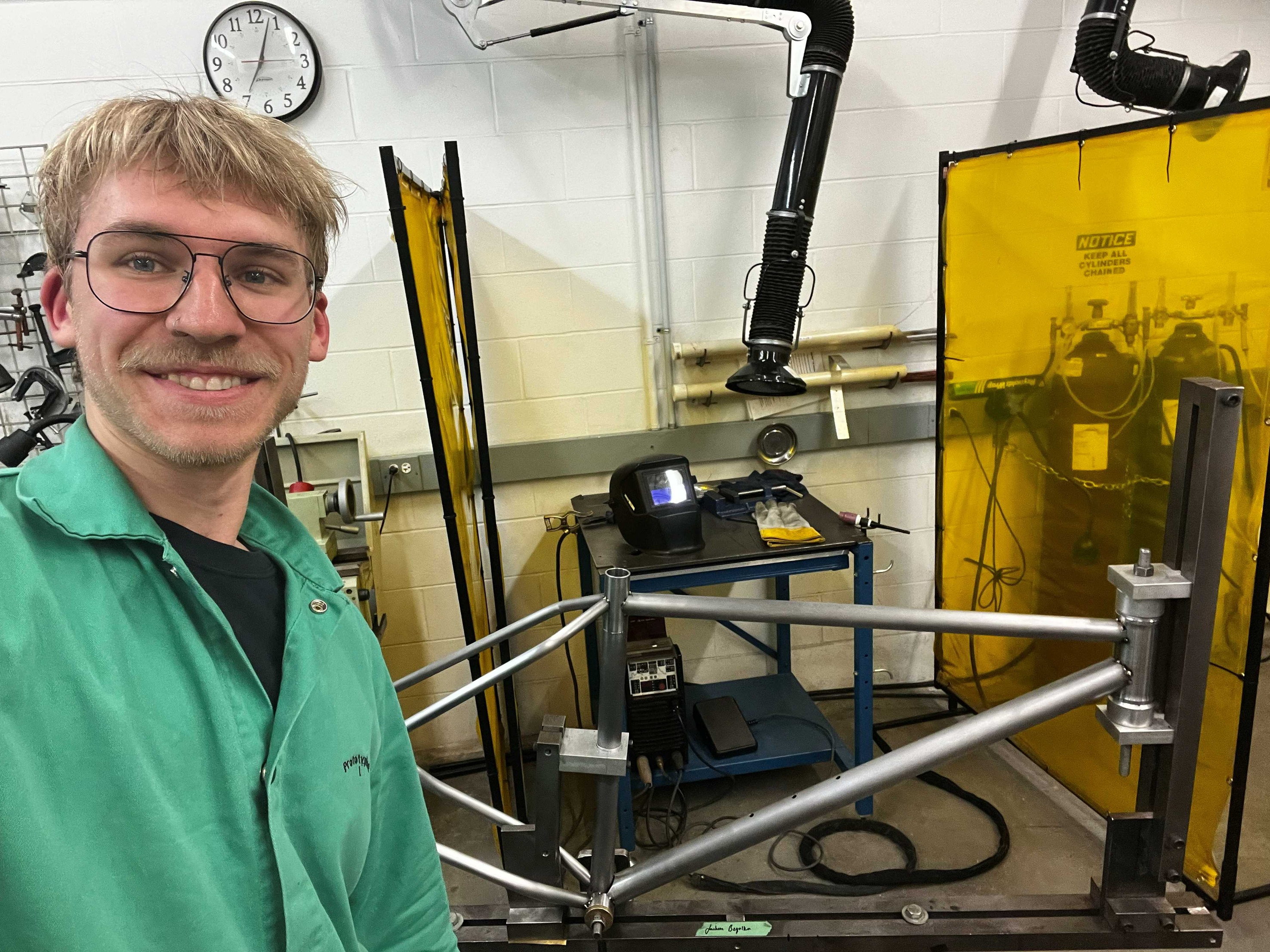
During the spring semester, the West Des Moines native enrolled in a hand-built bicycle course created by art professor and adventurer Steve McGuire. Although offered through the art department, the course is popular among engineering students, who can apply it to the required “Be Creative” elective. Over 16 weeks this spring, Begolka cut, bent, mitered and welded raw chromoly steel tubes into a bicycle frame.
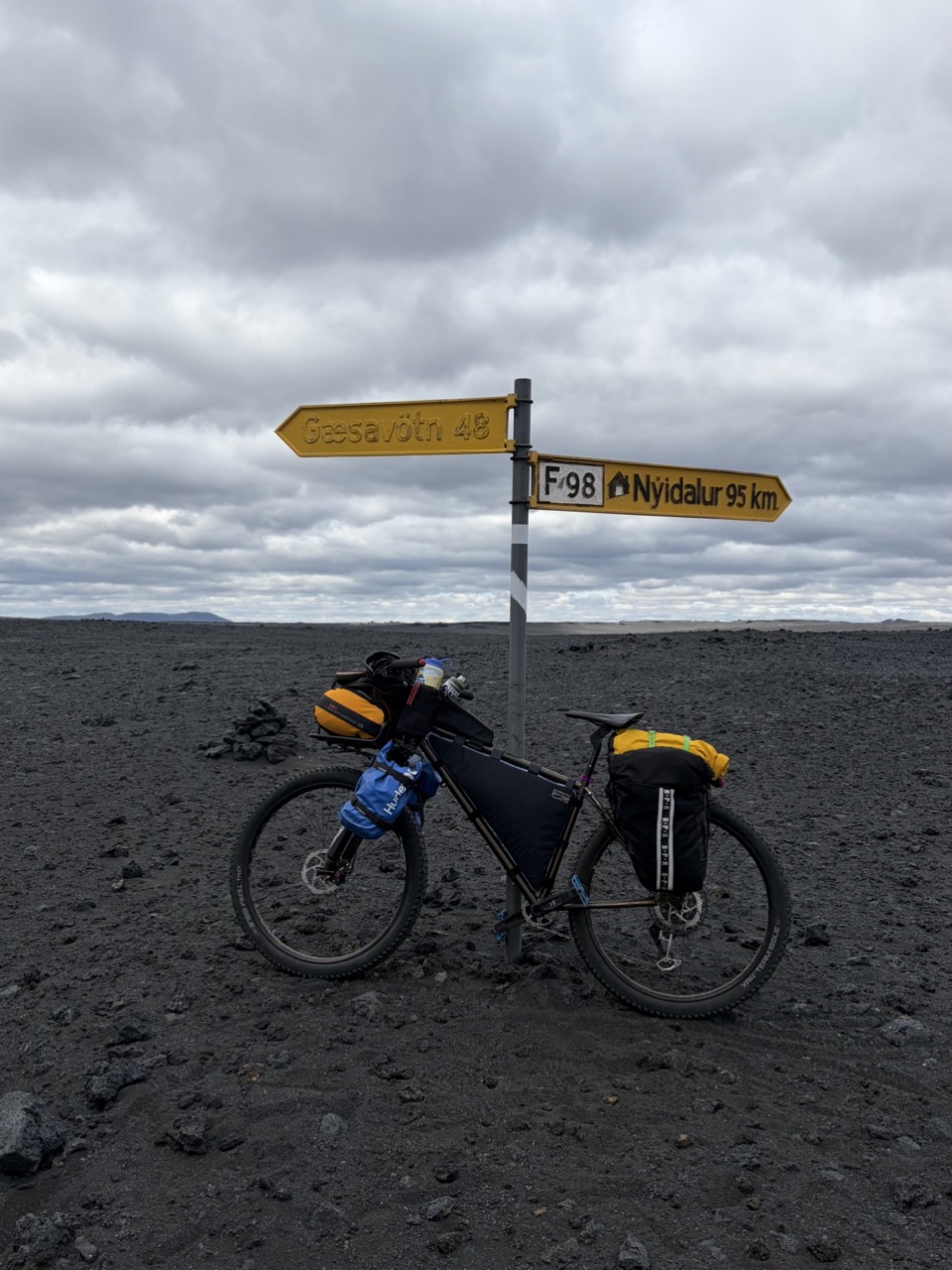
This bike – which he would name Dreki, Icelandic for dragon – was designed specifically for long-distance bikepacking on rough terrain through Iceland.
Begolka found parallels between instrument design – which is integral to his PhD – and bicycle design. Instrument design requires clear science goals, which drive device design and hardware. Similarly, a clear understanding of how the bike will be used drives frame geometry and part selection.
“Both require you to know what you want up front prior to the design stage, and every decision alters the design trade space,” he said.
700 miles across Iceland
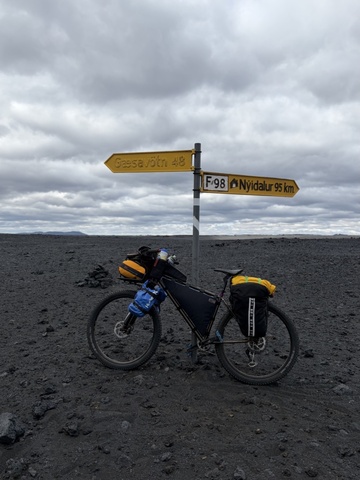
In the summer, the classroom moved to the most remote parts of Iceland.
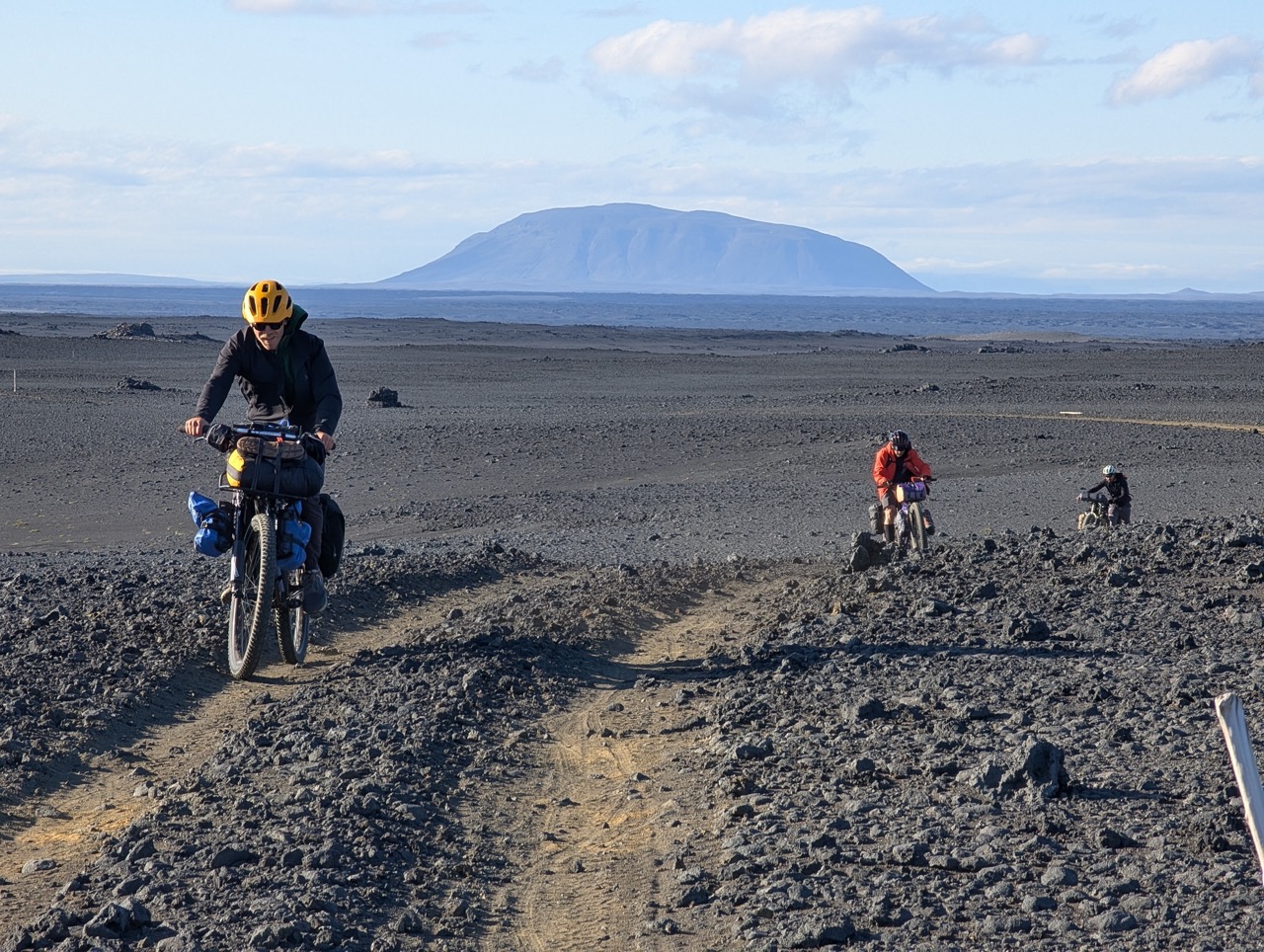
Begolka joined a small bikepacking expedition pedaling roughly 700 miles from Akureyri in the north, across the Iceland Divide, through the Highlands, and ending in the Westfjords, all while carrying supplies like tents, food, and bike tools.
The expedition combined adventure with another Iowa educational experience conceived by McGuire and collaborators across campus: the Iowa Idea, an interdisciplinary course built around a weather balloon experiment.
Launching an experiment in the 'Path of Totality'
The terminus of the bike ride coincided with the location for launching the balloon. Begolka helped prepare and launch the balloon carrying scientific payloads and a 360-degree camera. He monitored its GPS tracker and worked to ensure the payload reached the intended altitude.
The experiment was designed to capture data during the Aug. 12 total solar eclipse from the Westfjords, which fell within a narrow band across the Earth’s surface where the moon completely blocks the face of the sun. Called the “path of totality,” this term became the moniker for the ride.
The experience reinforced lessons that extended well beyond bicycle fabrication.
“Managing and controlling your design space, regardless of your project, is absolutely critical to being a successful engineer,” Begolka said.
From the Highlands to NASA field tests
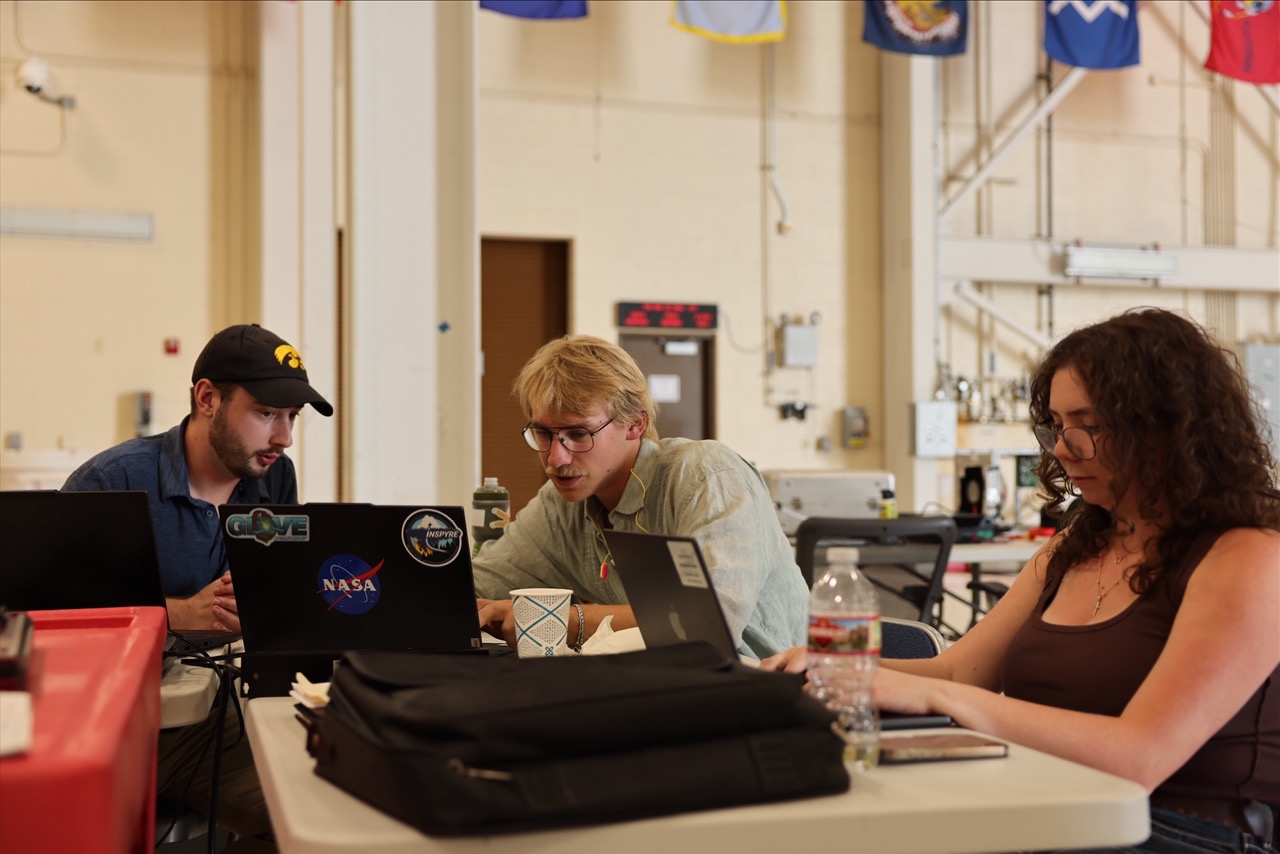
After more than three weeks living out of bags that fit on his bike, Begolka returned to Iowa City. Five days later, he was off to Montana to contribute to a field campaign called INSPYRE.
This NASA-led project aims to better understand dangerous pyrocumulus and pyrocumulonimbus clouds generated by intense wildfires. This knowledge could lead to more accurate wildfire forecasts, safer communities, and more precise climate models.
Members of the Iowa Atmospheric Sensor Development Laboratory, which is affiliated with the Iowa Technology Institute, were tasked with developing atmospheric instrumentation and remote-sensing technologies. The lab is led by Matthew McGill, UI professor of chemical and biochemical engineering and Begolka's PhD advisor.
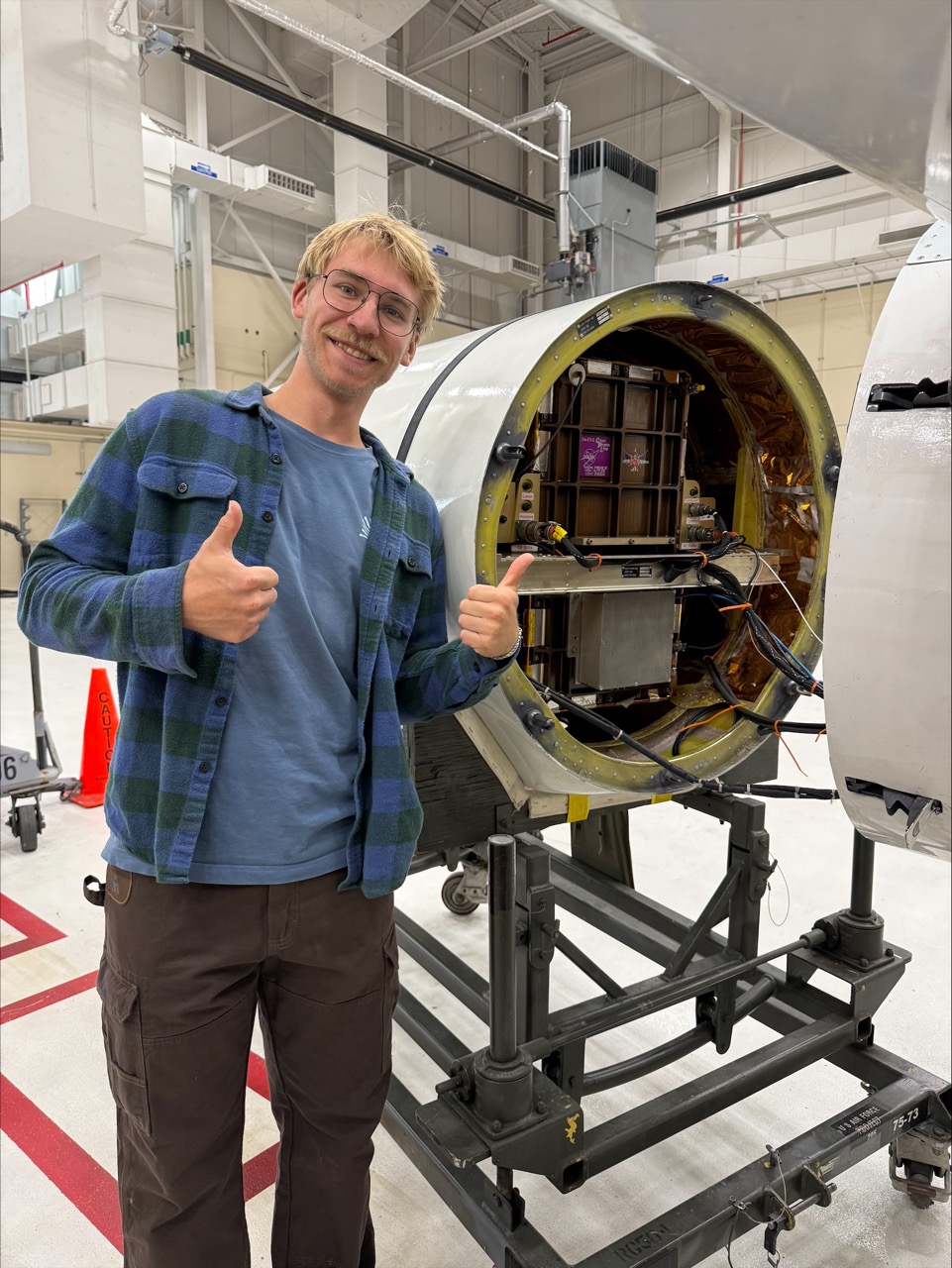
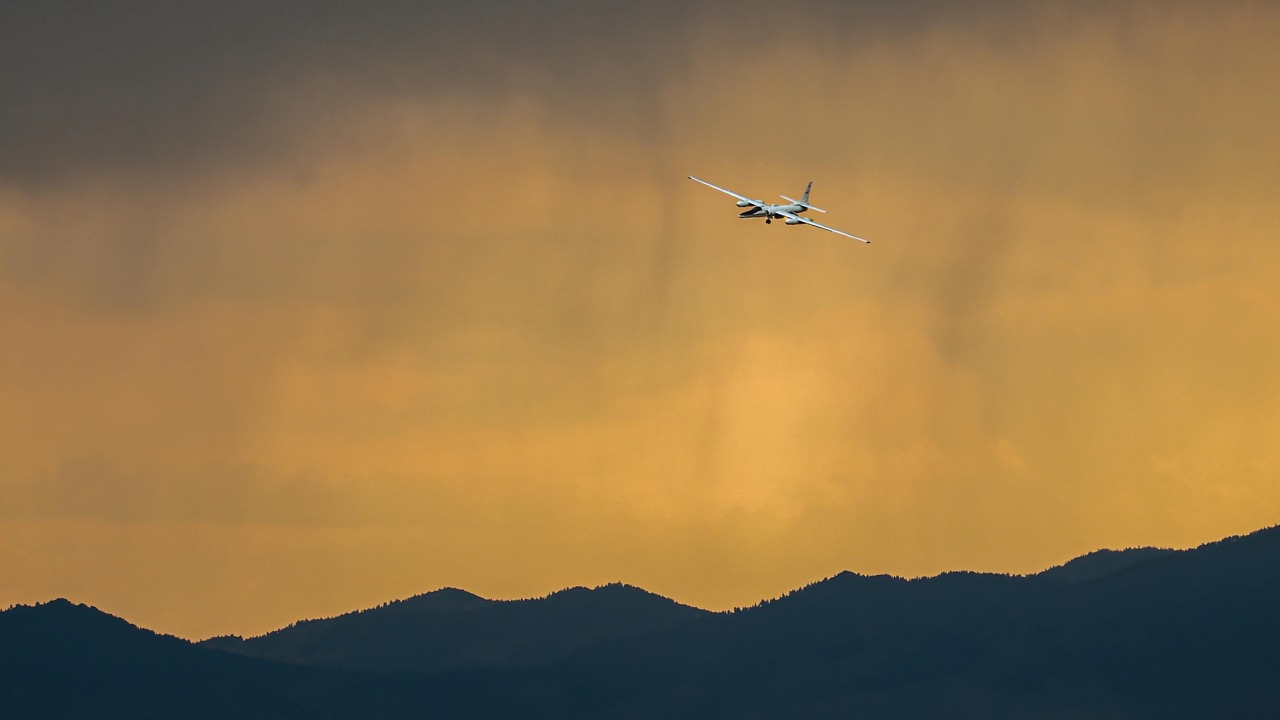
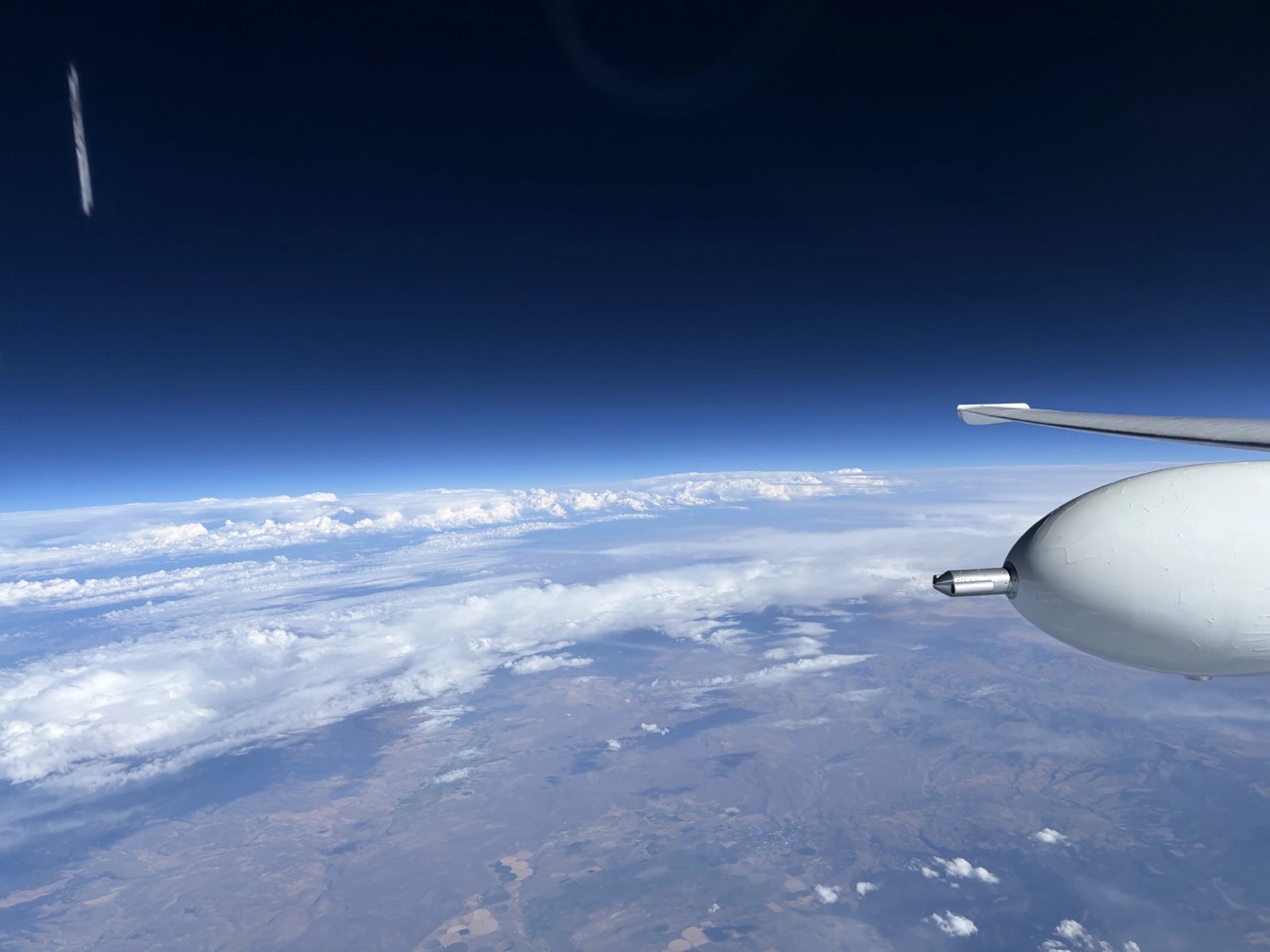
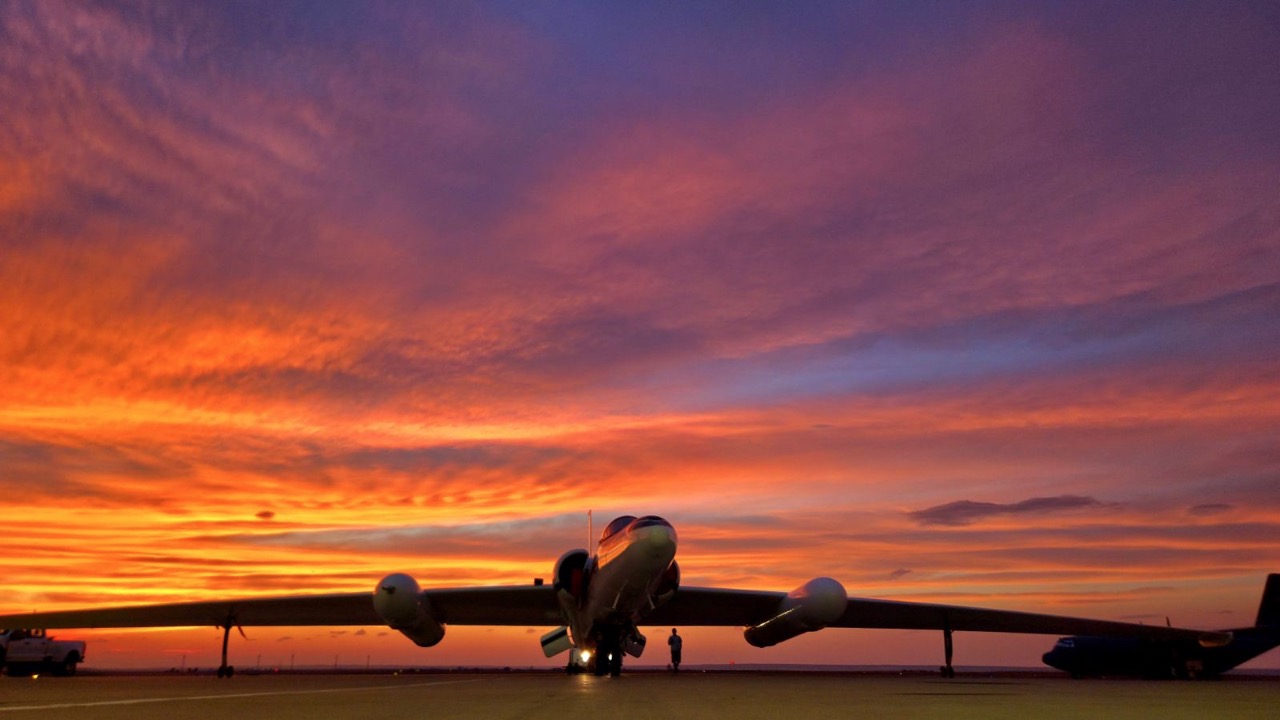
Begolka helped prepare and support the Cloud Physics Lidar (CPL) instrument for flight. The instrument was mounted aboard NASA’s ER-2 single pilot, high-altitude research aircraft, which can gather data from up to 13 miles above the ground.
Beyond the classroom
After the whirlwind summer, Begolka made it back to Iowa City and had time to reflect on all that he accomplished.
“What surprised me most was how connected everything was,” Begolka said. “The same mindset I used to build a bicycle helps me in the lab when developing instrumentation, and that helped me launch a payload in Iceland and led to me supporting atmospheric research in Montana.
“Engineering isn’t just what you study. It is how you approach the world.”