New research from the University of Iowa (UI) uses data from the TEMPO satellite mission to investigate how blue light common in LEDs may disproportionately affect sleep patterns and health conditions of those in lower income areas.
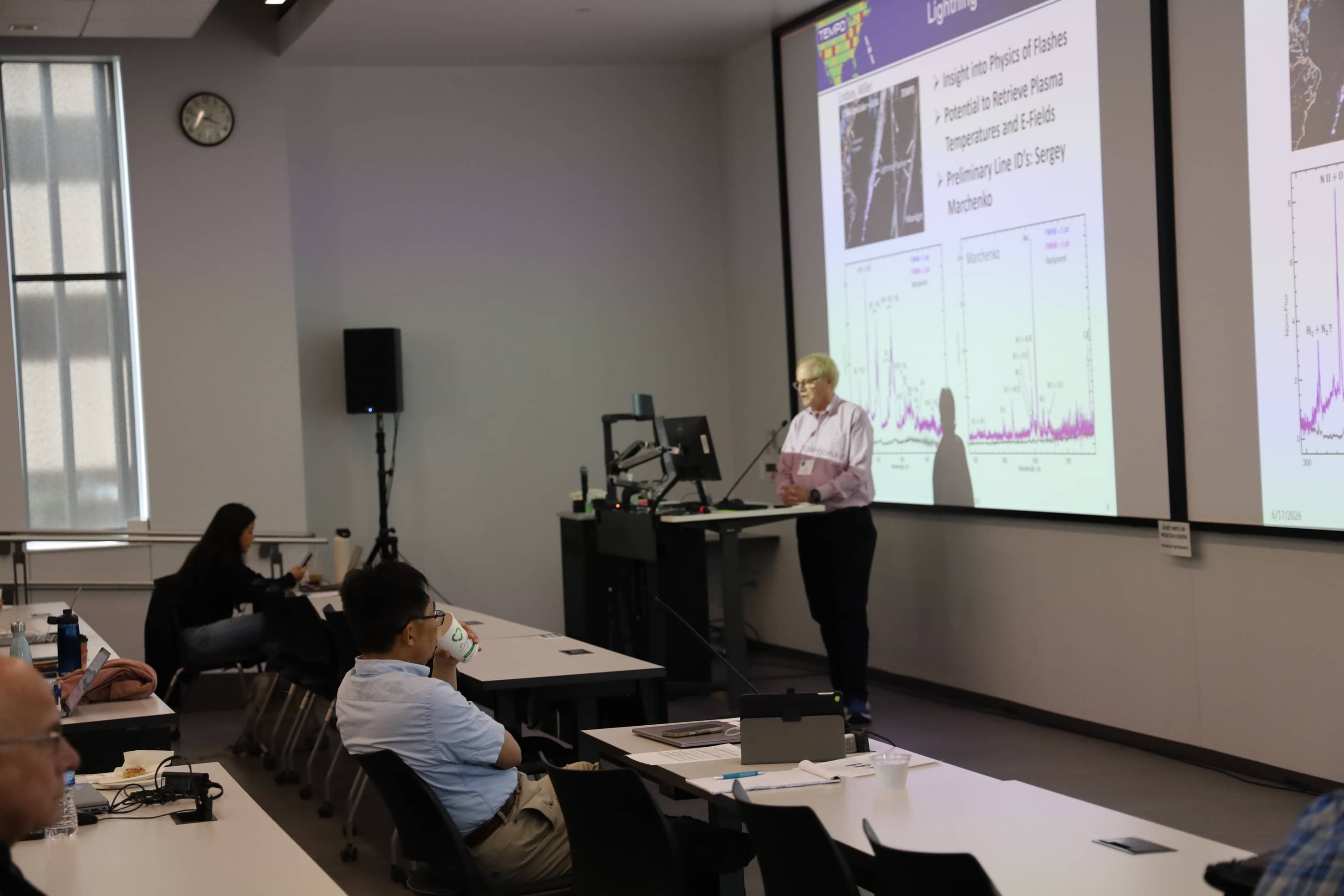
Zhixin Xue, a postdoctoral scholar with the Iowa Technology Institute (ITI), a research arm of the College of Engineering, presented findings at a briefing for NASA’s TEMPO (Tropospheric Emissions: Monitoring of Pollution) DART (Data, Application, and Research and Technology) team meeting on the UI campus, June 15-18.
TEMPO was launched in 2023 to track air pollution across North America, yet scientists have found diverse applications for TEMPO’s data. TEMPO’s ability to measure the spectrum of colors and range of wavelengths in light is opening the door to new discoveries about light pollution, such as, in Xue’s research, linking light pollution, public health, and socioeconomic disparities.
“TEMPO introduces a fundamentally new observational opportunity,” Xue said. “Although designed for studying atmospheric chemistry, its high spectral resolution twilight observations provide a previously unavailable window into the wavelength composition of artificial nighttime lighting, creating the possibility of monitoring biologically relevant exposure at regional scales.”
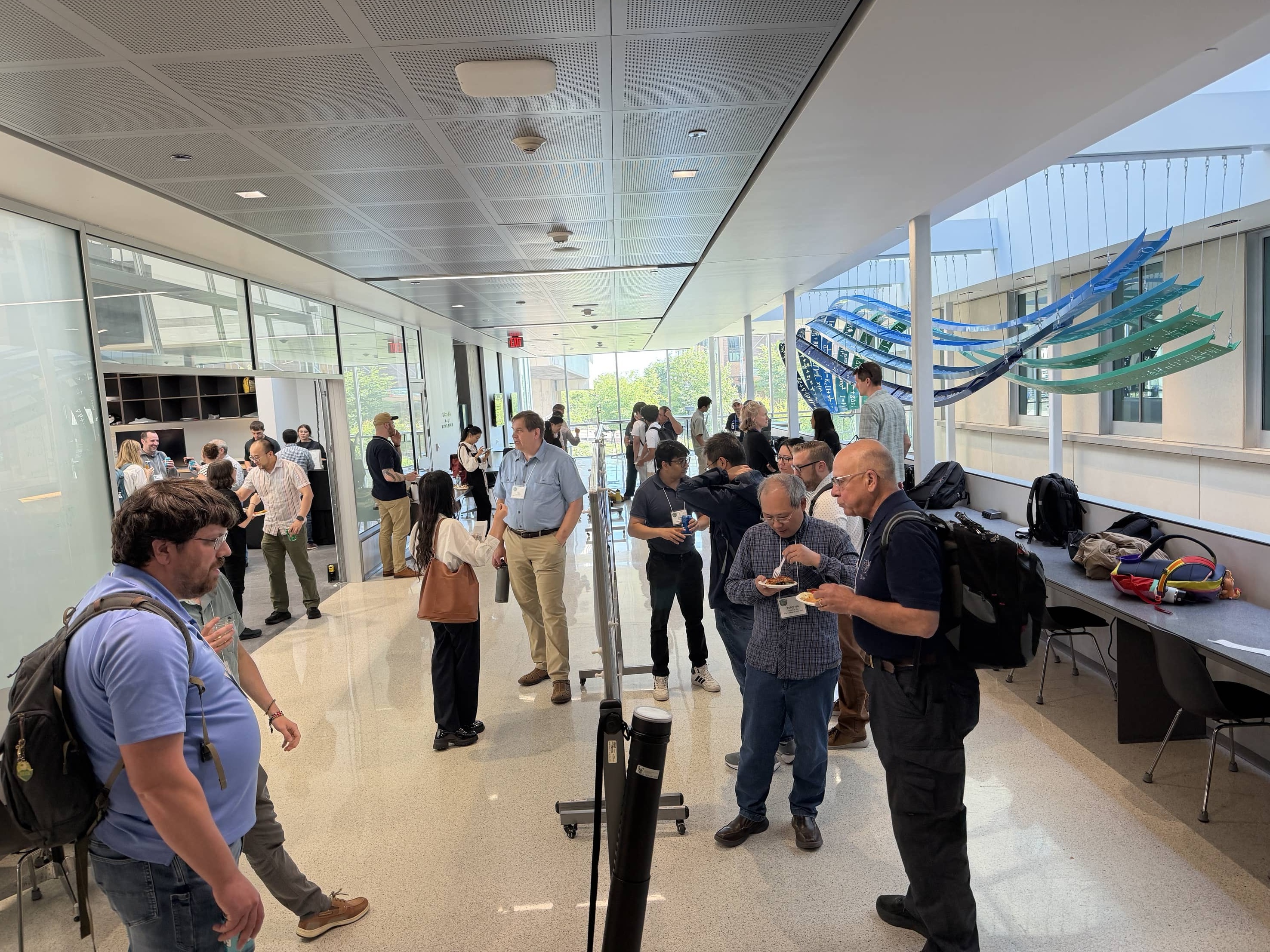
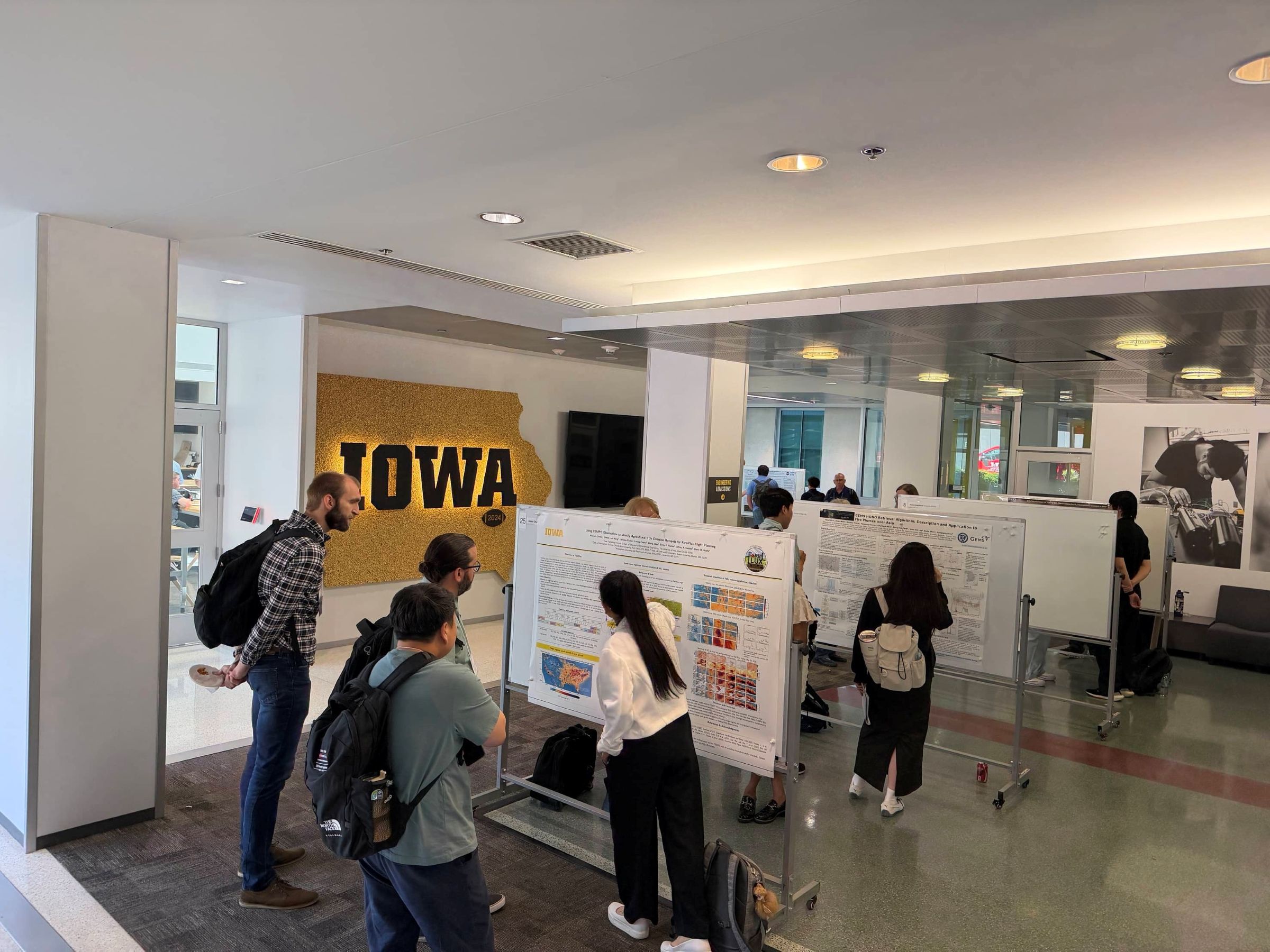
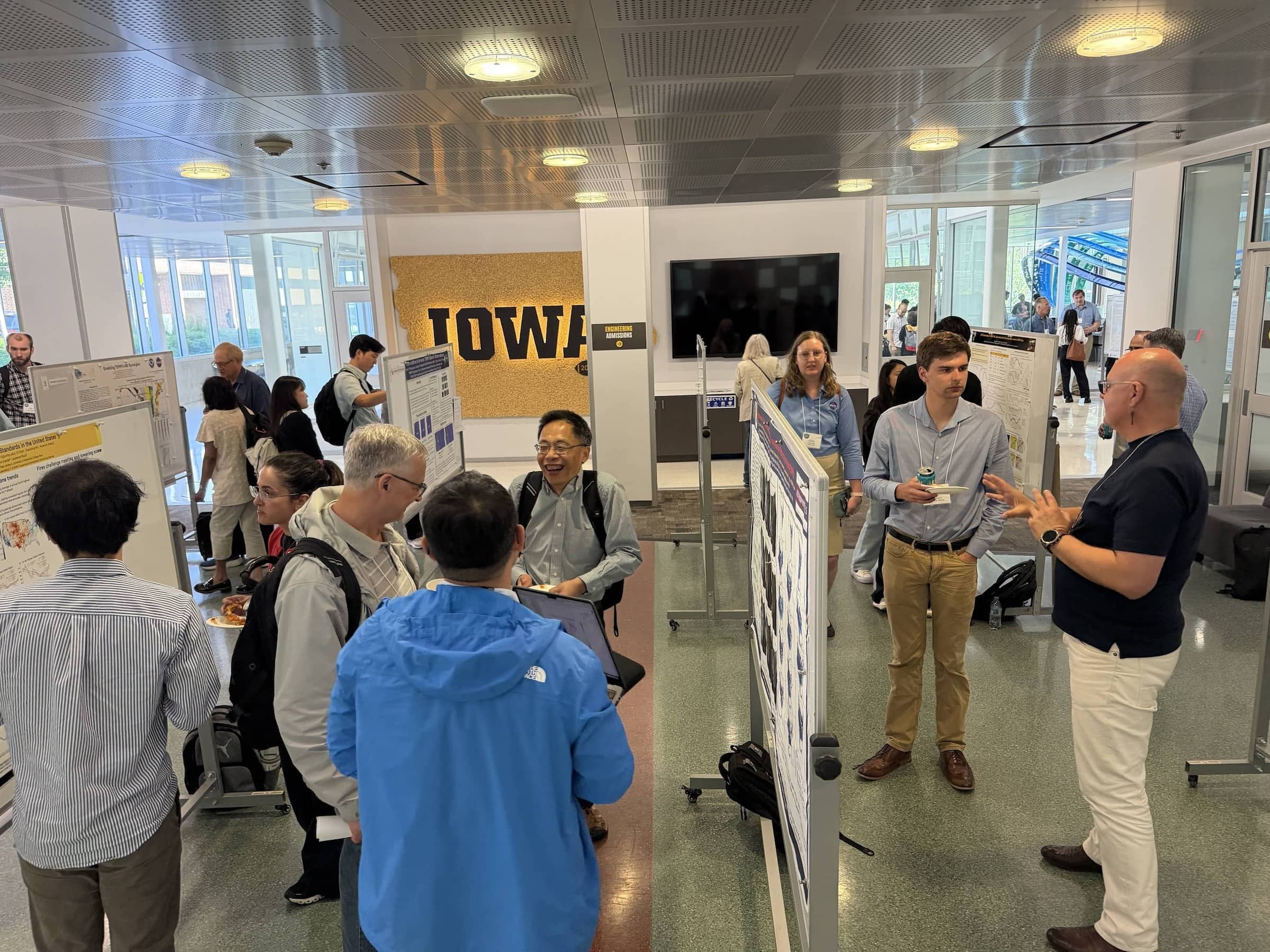
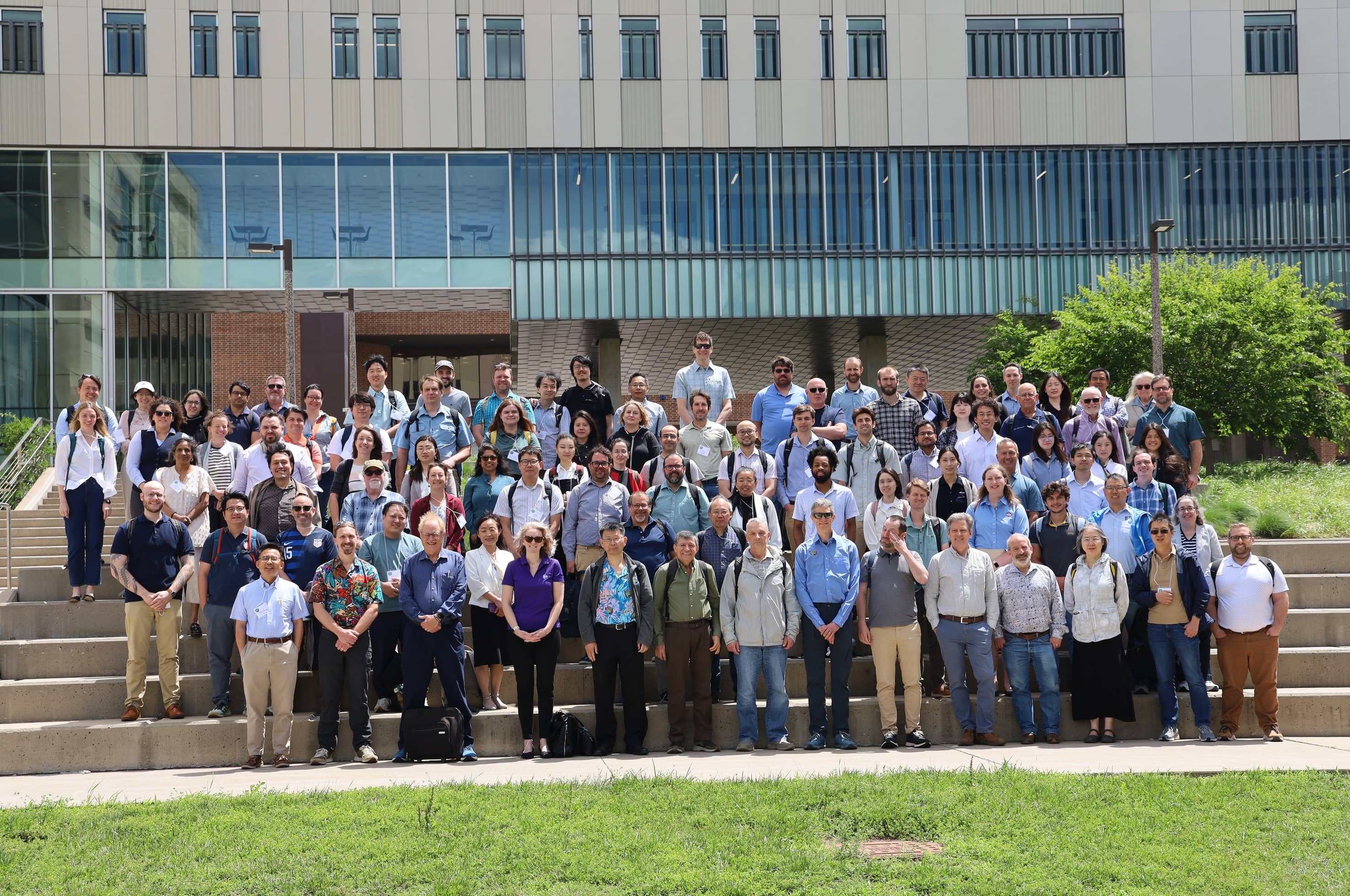
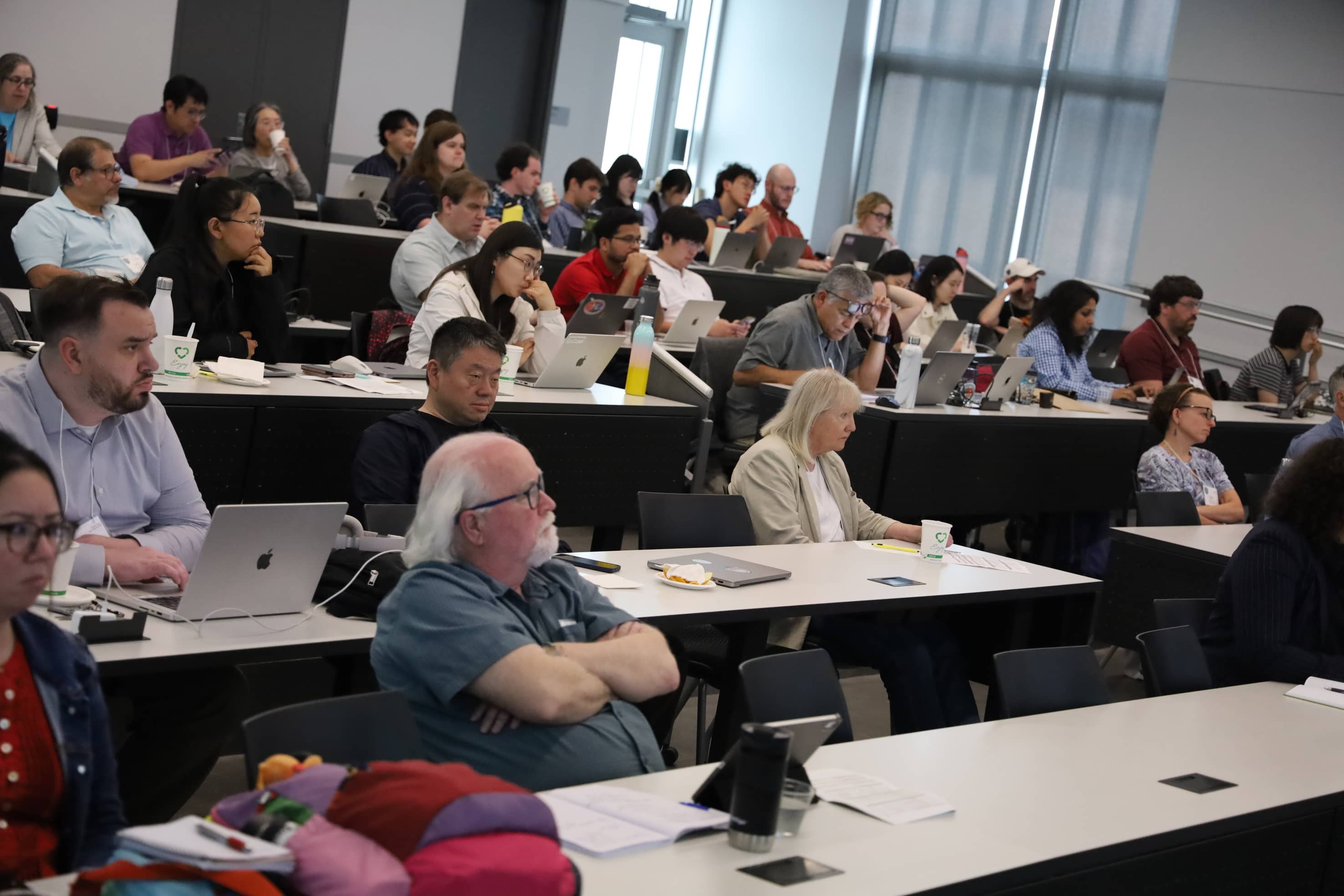
Xue’s research was just one update presented during the four-day conference. The meeting drew more than 200 in-person and online participants from NASA, universities, national laboratories, and public health agencies. The conference covered topics ranging from the TEMPO instrument status to its data product development, the use of its data for scientific discoveries and public health studies, as well as community building and training sessions for students and scholars to use TEMPO data.
“It is a great pleasure for us to host NASA’s TEMPO DART meeting in Iowa City,” said Jun Wang, UI Lichtenberger Family Chair in Chemical Engineering and associate director of ITI. “The meeting gave our students and researchers a unique opportunity to gain a comprehensive view of the TEMPO mission, from satellite observations to their applications and societal impacts. I am grateful for NASA and the university’s support to make all these possible.”
Wang noted the meeting allowed UI students and scholars to present their work, interact with DART team members and leading scientists, and see firsthand how research, such as Xue’s, contributes to the broader goals and impact of the TEMPO mission.
Collaborating with Meng Zhou, Qian Xiao, and Wang, Xue’s work stands out for its detailed analysis of colors in light from space. This work was published in June in the Journal of Geophysical Research: Atmospheres.
Artificial light at night (ALAN) has long been linked to disruptions in the body’s circadian rhythm, or the internal clock that regulates sleep and other biological processes. Exposure to certain types of light, especially blue wavelengths common in LED lighting, has been associated with sleep disturbances and increased risks for conditions such as cancer, heart disease, diabetes, and obesity.
Using TEMPO observations, the Iowa-led research team developed a dataset called Spectrally Resolved Light at Night (SLAN), which captures not just how bright city lights are, but also their precise color composition. This is important because the biological effects of light depend heavily on its wavelength.
By combining these measurements with models of human circadian sensitivity, the Iowa team produced a new map of “circadian light stimulus” across the continental United States.
The results reveal patterns beyond brightness, highlighting where light may have the strongest biological impact. The study also explores how these exposures relate to factors such as population density and poverty, suggesting that the health effects of light pollution may not be evenly distributed.