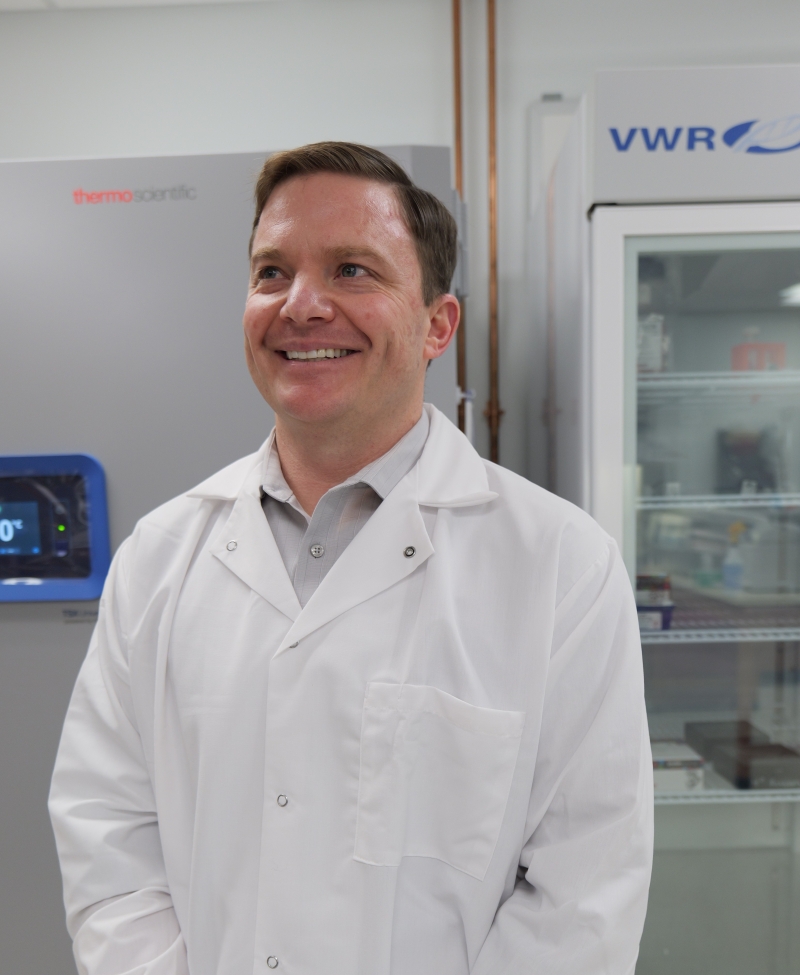
After serving as a Special Forces medic across Asia, Patrick Link brings global experience and a problem-solving mindset to biomedical engineering.
Written by Payton Spindler
After years serving as a Special Forces medic across Asia, Patrick Link is bringing global experience, creativity, and a problem solving mindset to the Roy J. Carver Department of Biomedical Engineering.
As a young adult, Link was interested in health care but wasn’t sure medical school was the right fit. At age 22, a friend encouraged him to enlist in the U.S. Army to gain clarity. What followed — a military career culminating as a Special Forces Medical Sergeant — gave him a new perspective on the impact he wanted to make. “Ultimately, it took me trying a lot of things before I figured out what I wanted to do,” he said. “That really allowed me to solidify and know exactly what I wanted to do.”
Today, Link leads a research lab in the College of Engineering, which he joined in 2025 with support from the Carver Charitable Trust. His team investigates how tissues heal, or fail to heal, after injury or disease with a particular focus on lung scarring.
Link’s military career shaped this path.
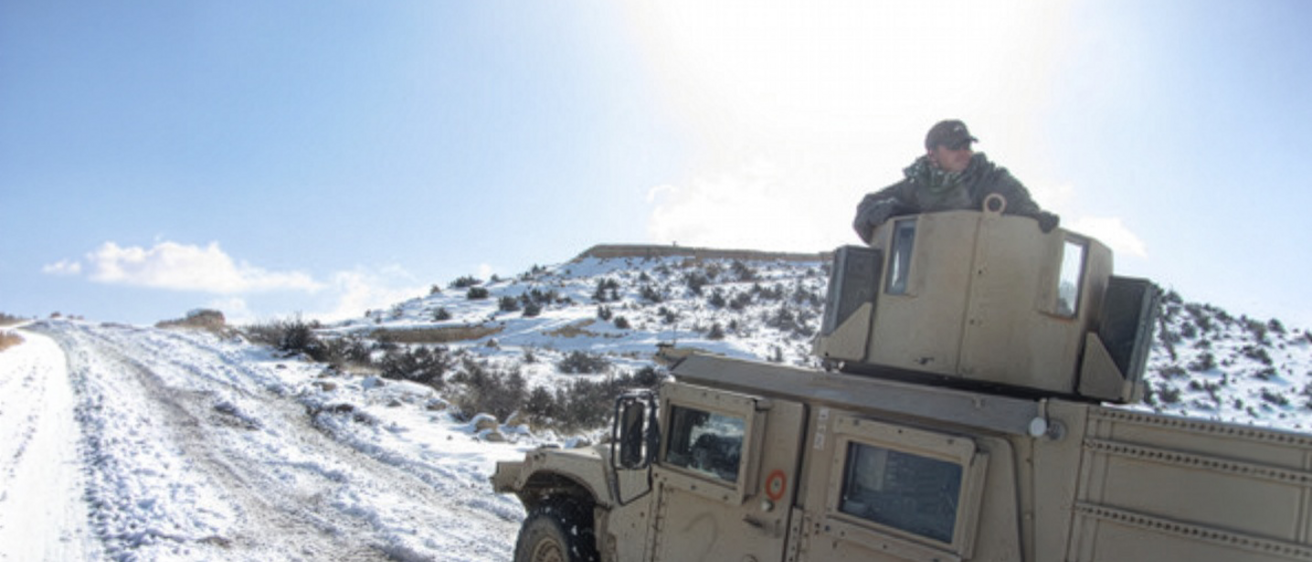
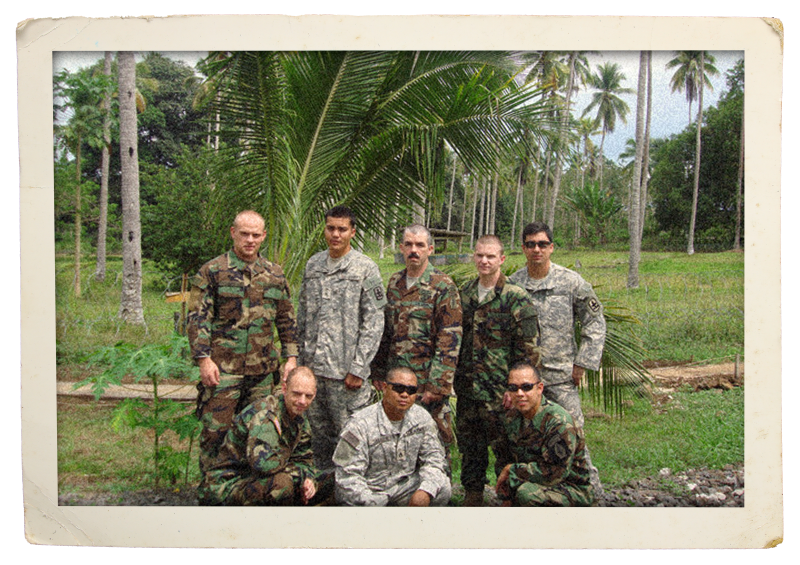
After completing the Special Forces medical sergeant course, one of the most demanding programs in the military, he became a Green Beret. Deployments across Asia included countries such as the Philippines, Bangladesh, Nepal, and Afghanistan, where Link provided medical, surgical, and even veterinary care to underserved communities.
Although serving as team medic, Link also coordinated construction of schools, wells, roads, and outreach programs, which sparked his interest in engineering.
Resource-limited environments pushed him to improvise, adapt, and innovate, skills he has carried forward.
After leaving the military in 2012, Link returned to school, earning degrees in emergency medical care and biology from Western Carolina University. He then completed master’s and doctoral degrees at Virginia Commonwealth University, focusing on mechanobiology, or the way physical forces like stretching or stiffness influence cell behavior.
As a postdoctoral researcher at the Mayo Clinic, Link expanded into redox biology, which explores how the movement of electrons inside cells affects their function. National Institutes of Health, the American Lung Association, Boehringer Ingelheim, and the U.S. Department of Defense have supported his work.
“I was able to develop a portfolio of how the mechanical environment and the extracellular environment work together to allow our tissues to function properly,” he said.
Iowa’s strengths in lung biology and redox science attracted Link.
At Iowa, Link aims to translate his combined expertise in mechanics and redox signaling into new approaches for treating diseases such as pulmonary fibrosis, a condition in which scar tissue forms in the lungs and makes breathing progressively harder.
The path that led Link to biomedical engineering was far from linear, but he sees every step as essential. “I wouldn’t trade the experiences for anything in the world, and I wouldn’t do them again for anything in the world,” he said.
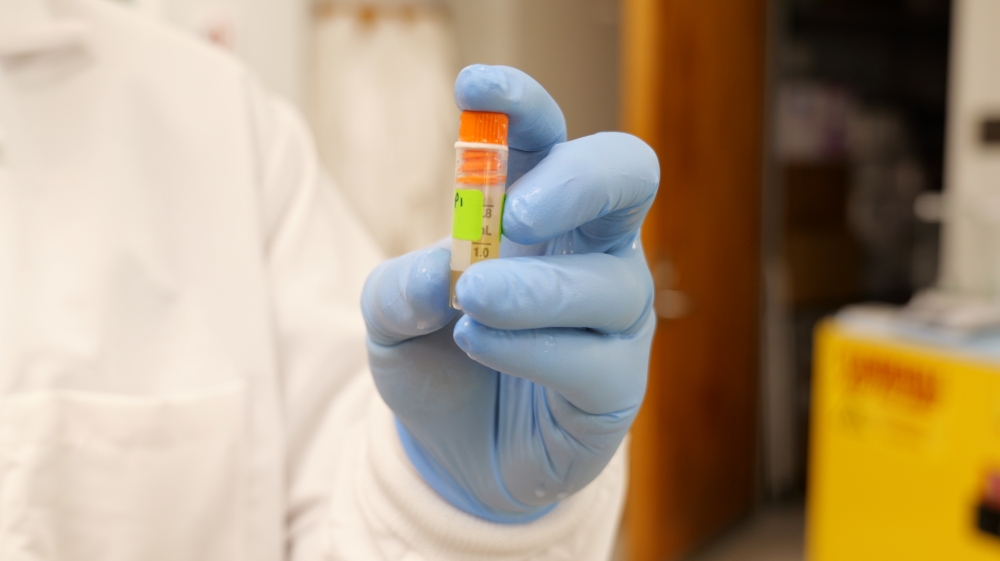
Cell samples are used to develop therapeutic strategies to aid in recovery from lung diseases caused by progressive scarring.