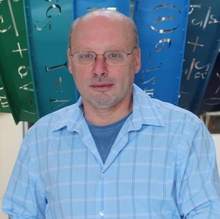
Over 25 years building airborne and satellite instruments at NASA, Matthew McGill worked on many multilayered projects. Independent teams would build parts that had to match seamlessly with the moment of truth only coming at the point of assembly. Now a University of Iowa professor of chemical and biochemical engineering (CBE), McGill is giving students a hands-on experience to simulate that process.
How do scientists and engineers work together to develop top-level requirements?
How do you manage interfaces to ensure the components fit together?
How do you validate the build before it’s put to use?
Those are the questions McGill’s new experiential course, Process and Design for Satellite and Environmental Sensors (CBE:4460), challenges students to explore.
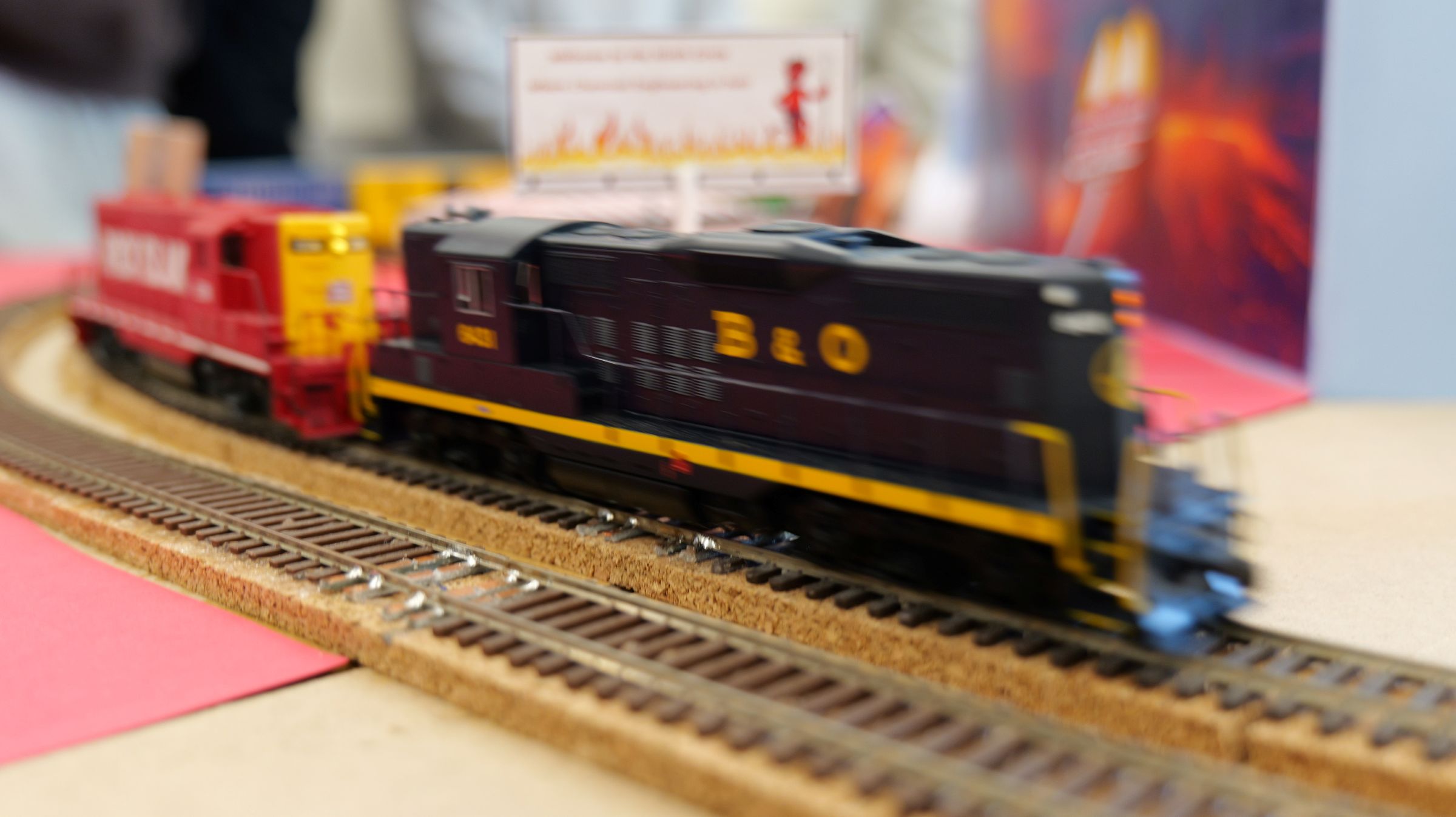
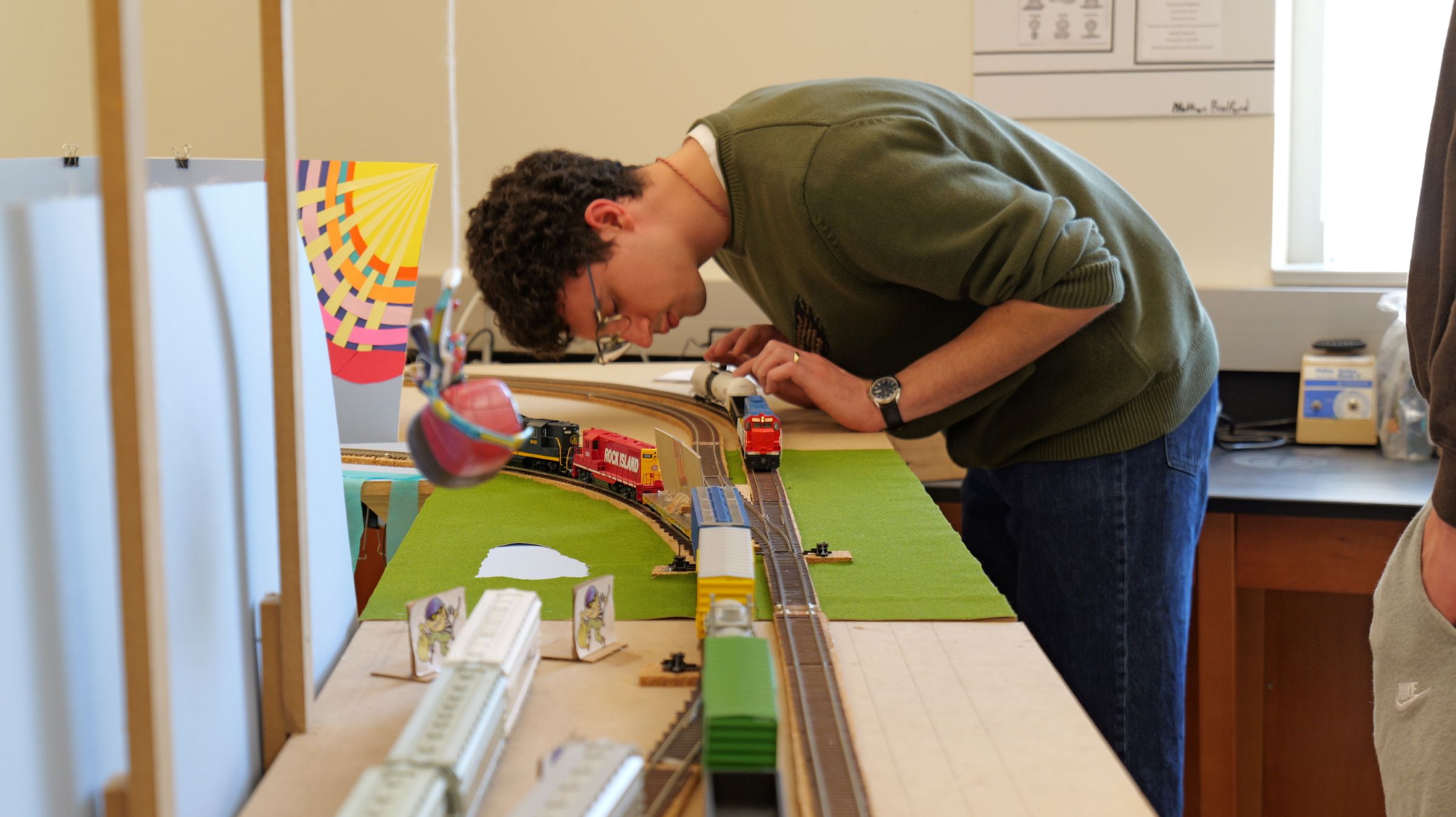
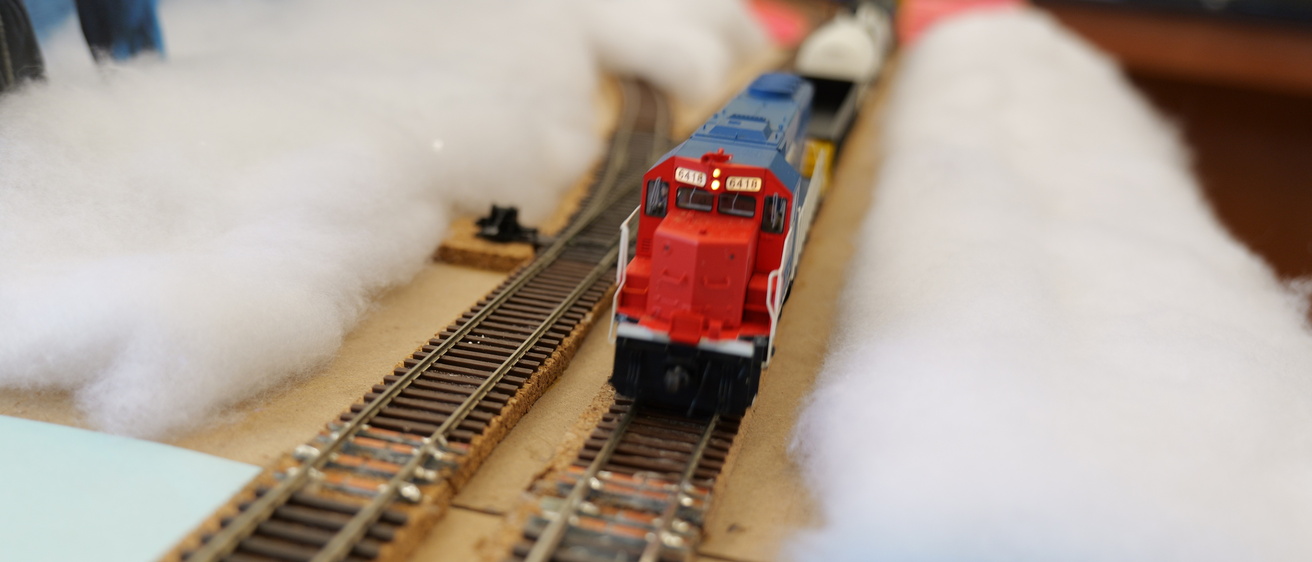
Instead of satellites, the class takes on a more down-to-earth challenge: building a modular railroad. Each student constructs a segment of a rail line, following an interface control document precisely to ensure mechanical and electrical connections align when the full system is assembled.
The payoff? A working model train system.
“The goal is to learn how to work like people at NASA, to make a project come together within a few thousandths of an inch,” said Shawn Kopp, a senior CBE student. “Even a slight variation can throw everything off.”
The course is an exercise in high-level, technical project management: building a team, defining requirements, creating interface controls, tracking workflows, verifying quality, and troubleshooting hardware and design issues. Students also grapple with real-world constraints like staffing, costs, and part availability.
“If you can go into a job interview and talk about requirements flow, design traceability, and interface control documents, you’re going to quickly set yourself apart,” McGill said. “The course also provides an opportunity for students to use tools and skills they probably have not experienced, and to be creative.”
Jackson Begolka, a CBE PhD candidate, stopped by to see the students’ final project. He previously took the class when it first launched and now applies its concepts in the lab while developing an airborne sensor system.
“Creating the interface control document forces you to think about how the device will ‘talk’ to other sensors and interfaces and how the system must be formatted to fit together,” Begolka said.