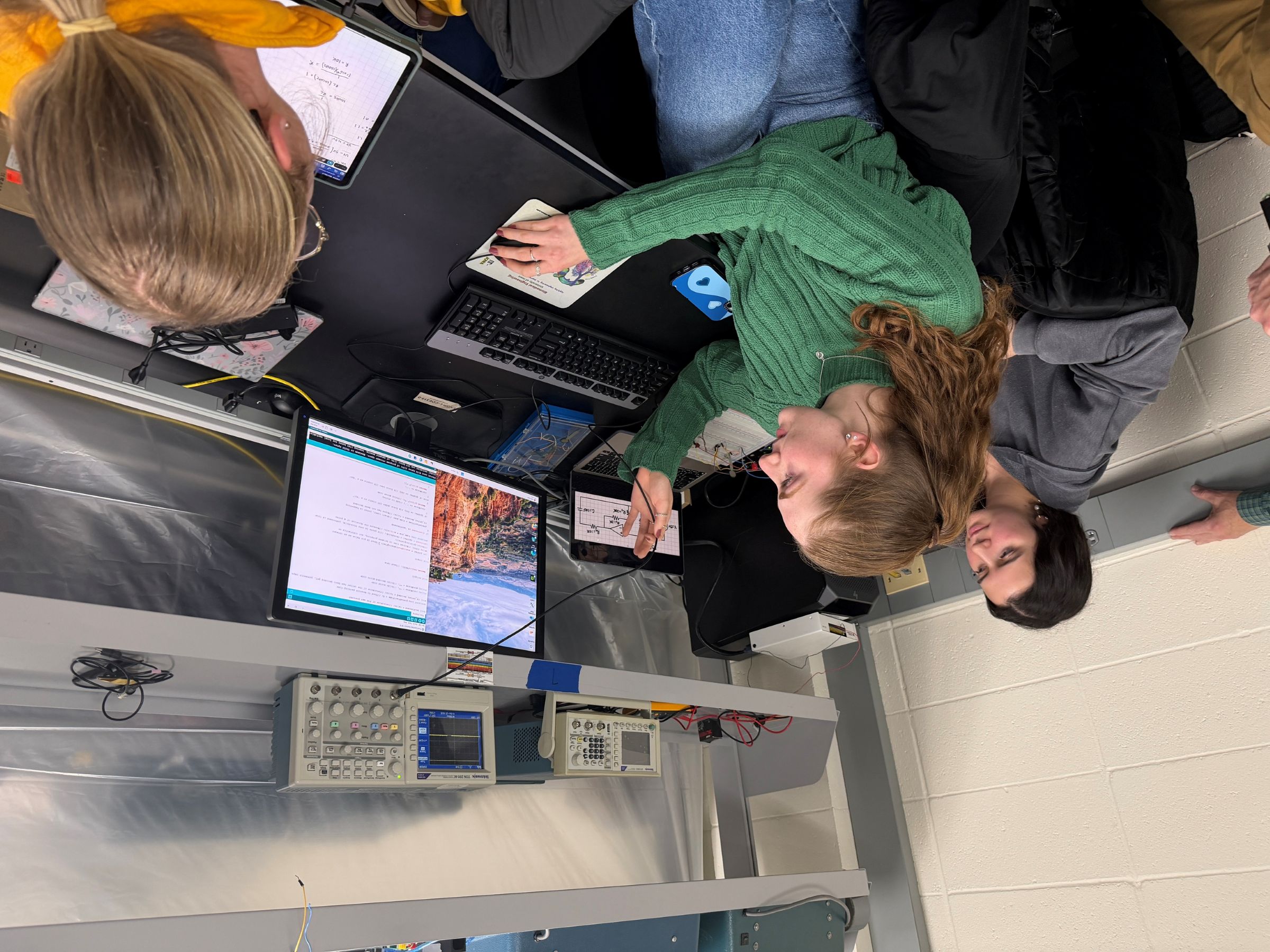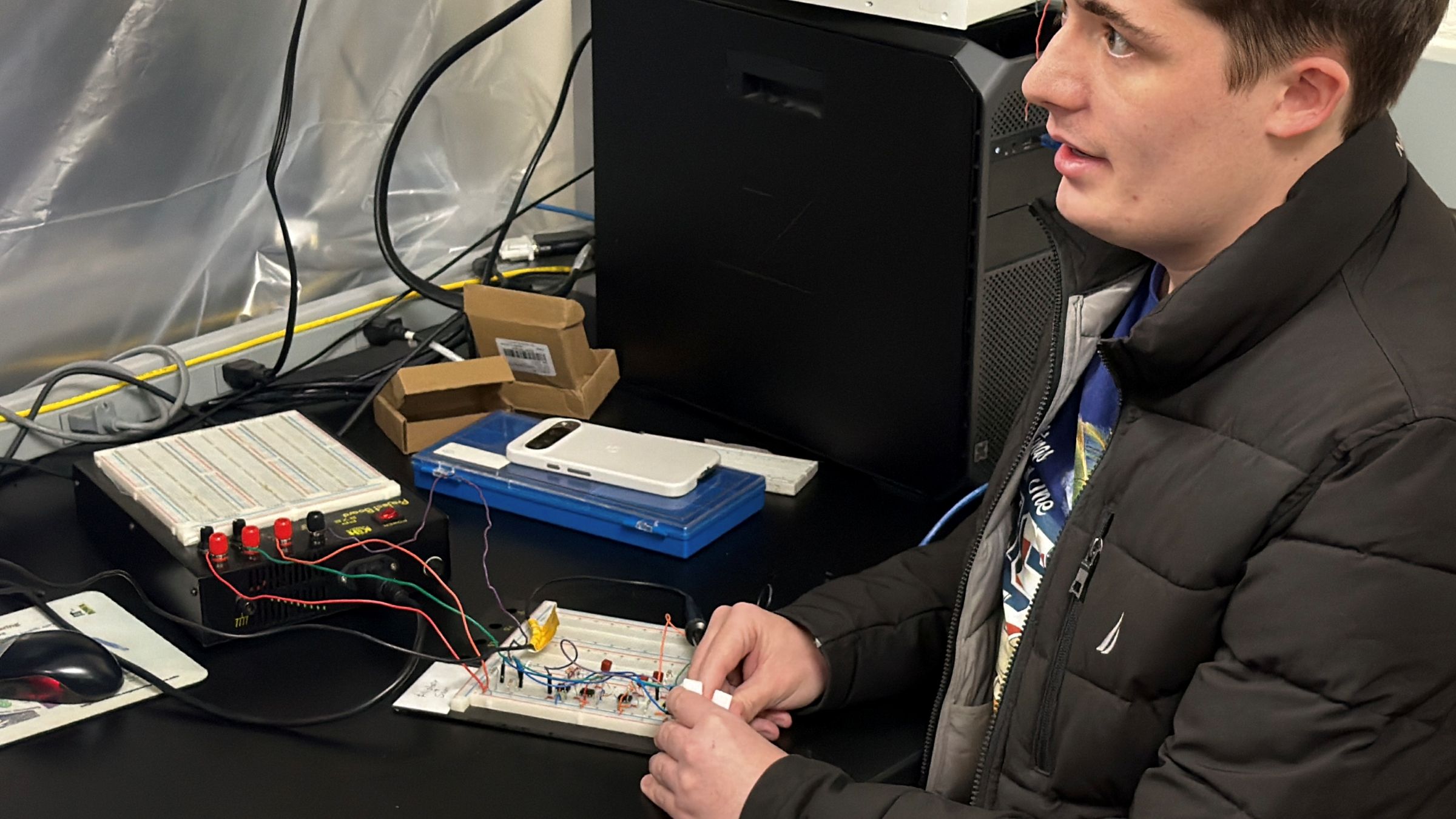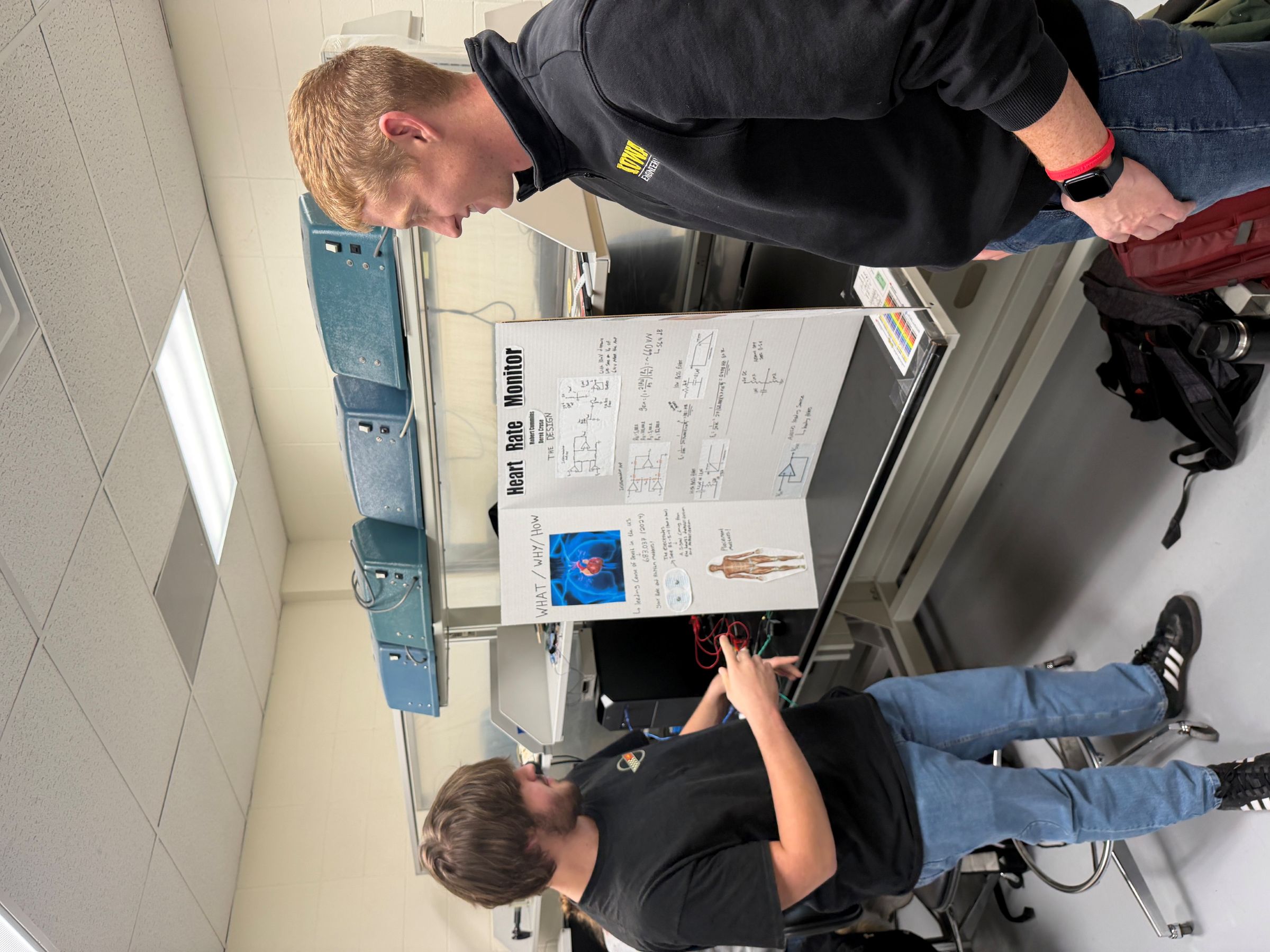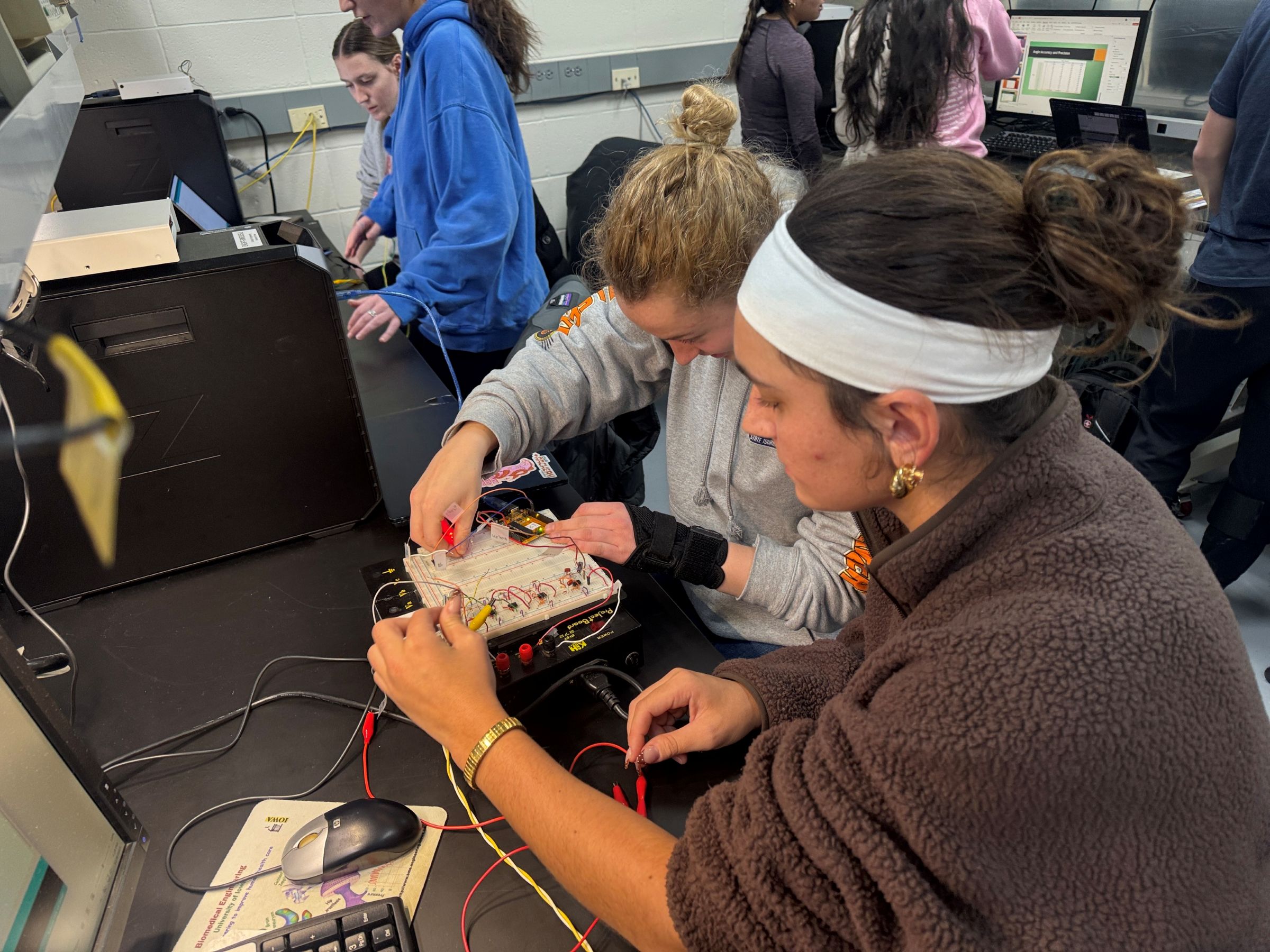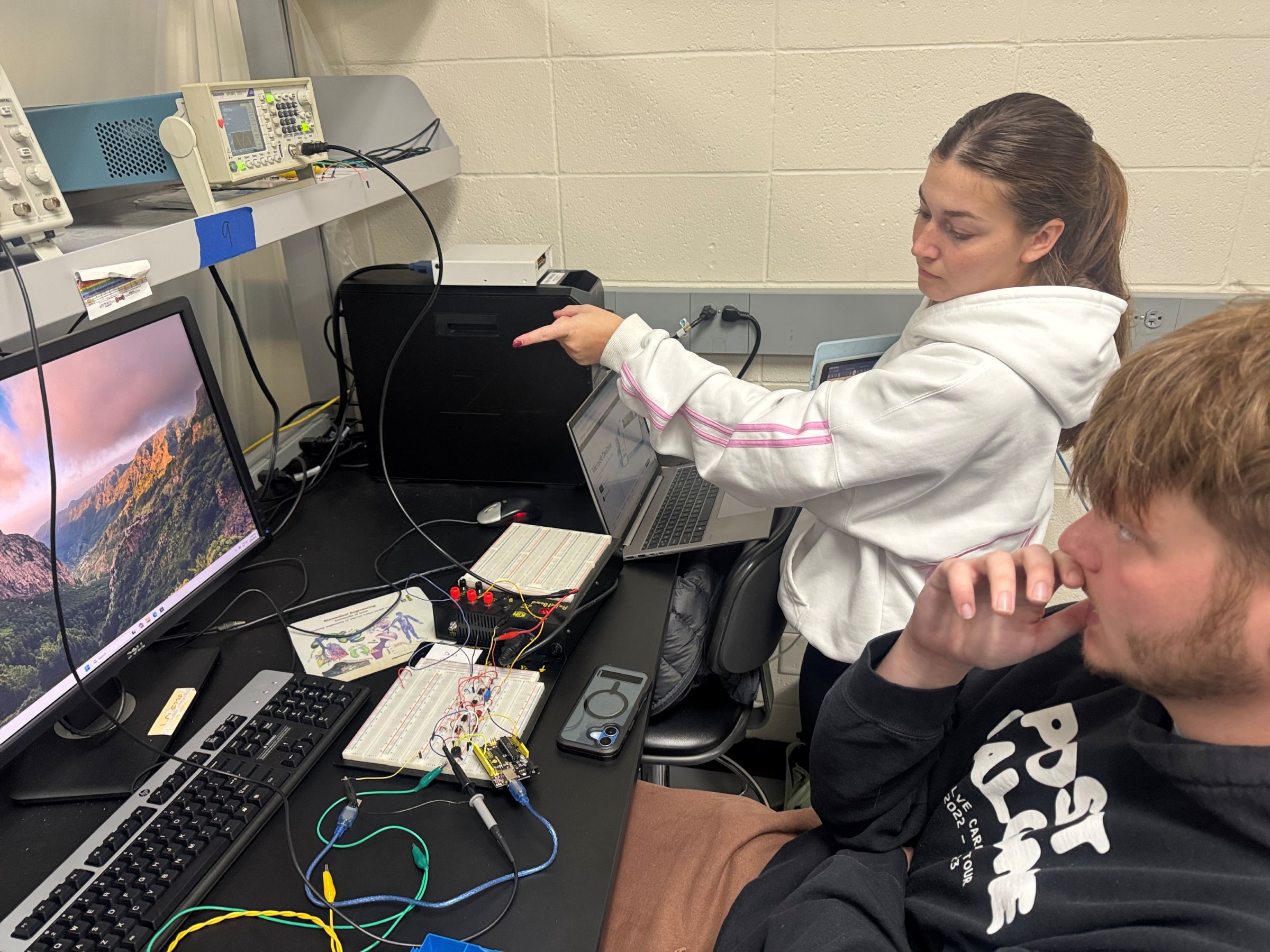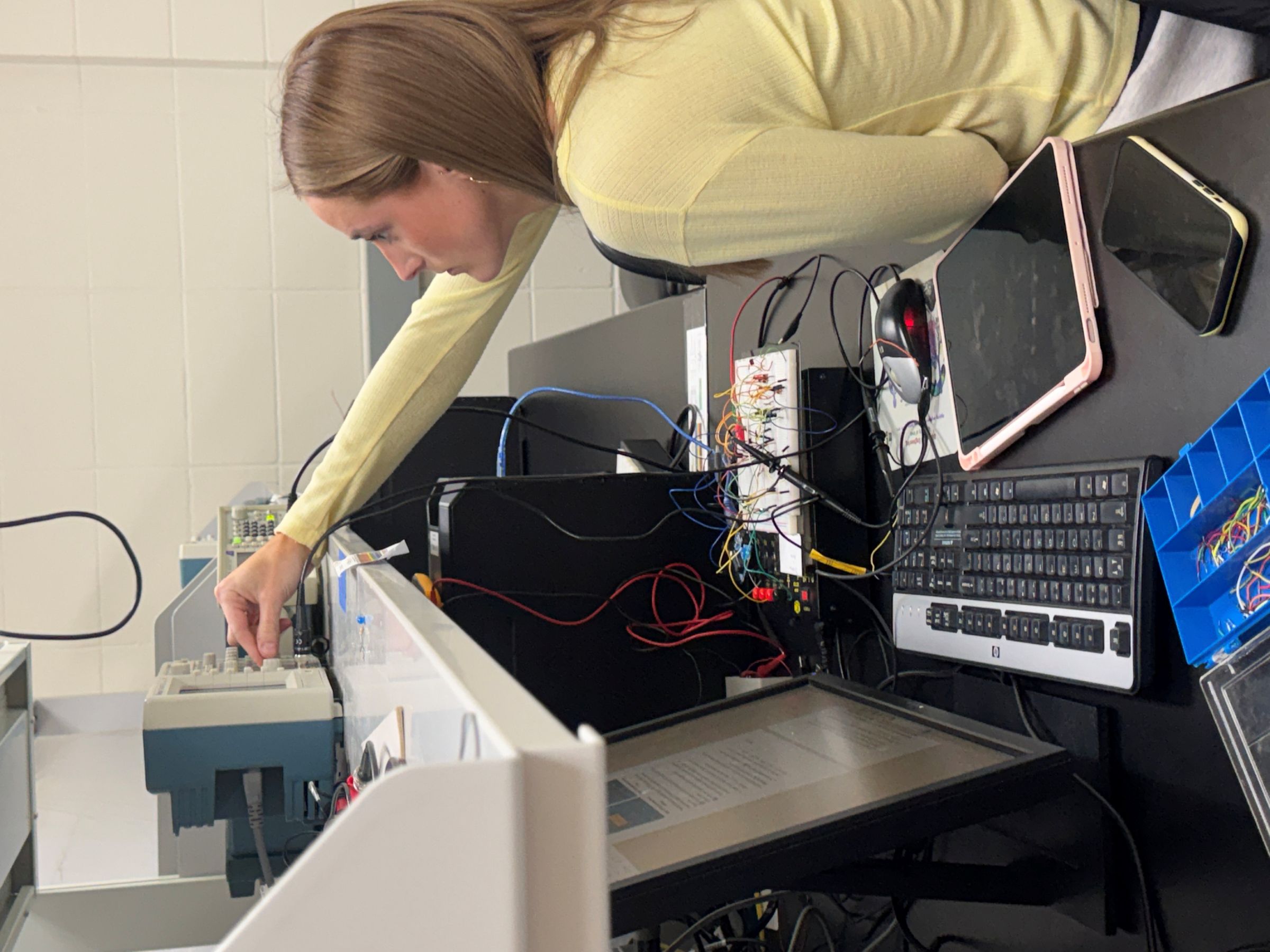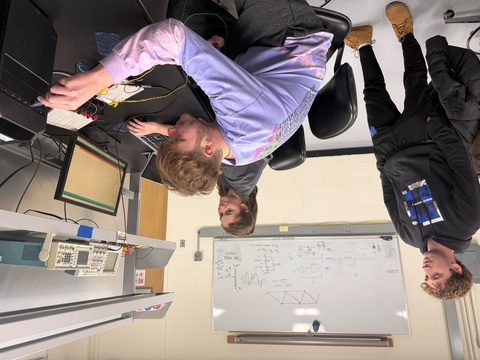
Biomedical engineering students at the University of Iowa don’t just learn theory, they roll up their sleeves to understand tools of medicine by building them.
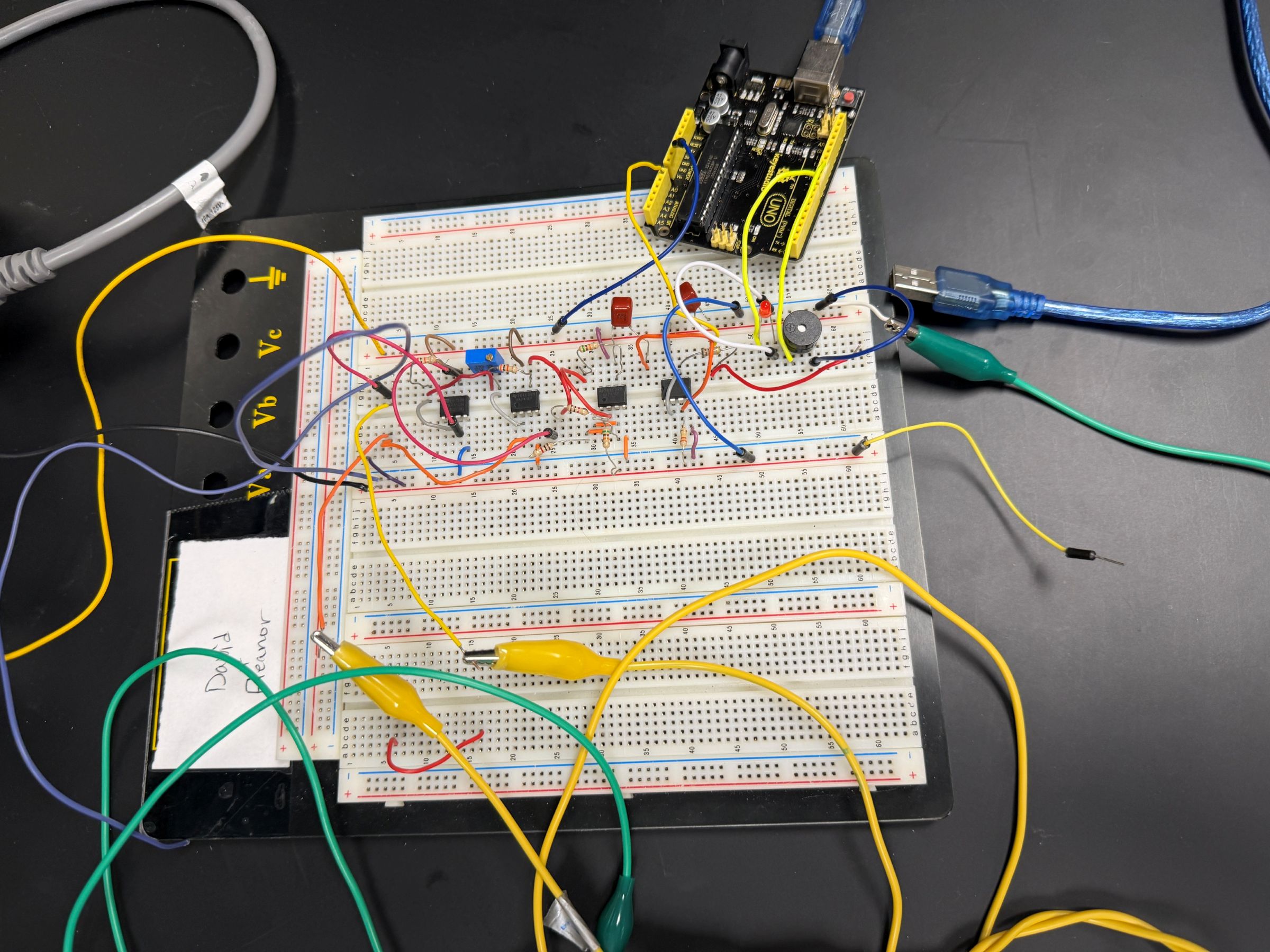
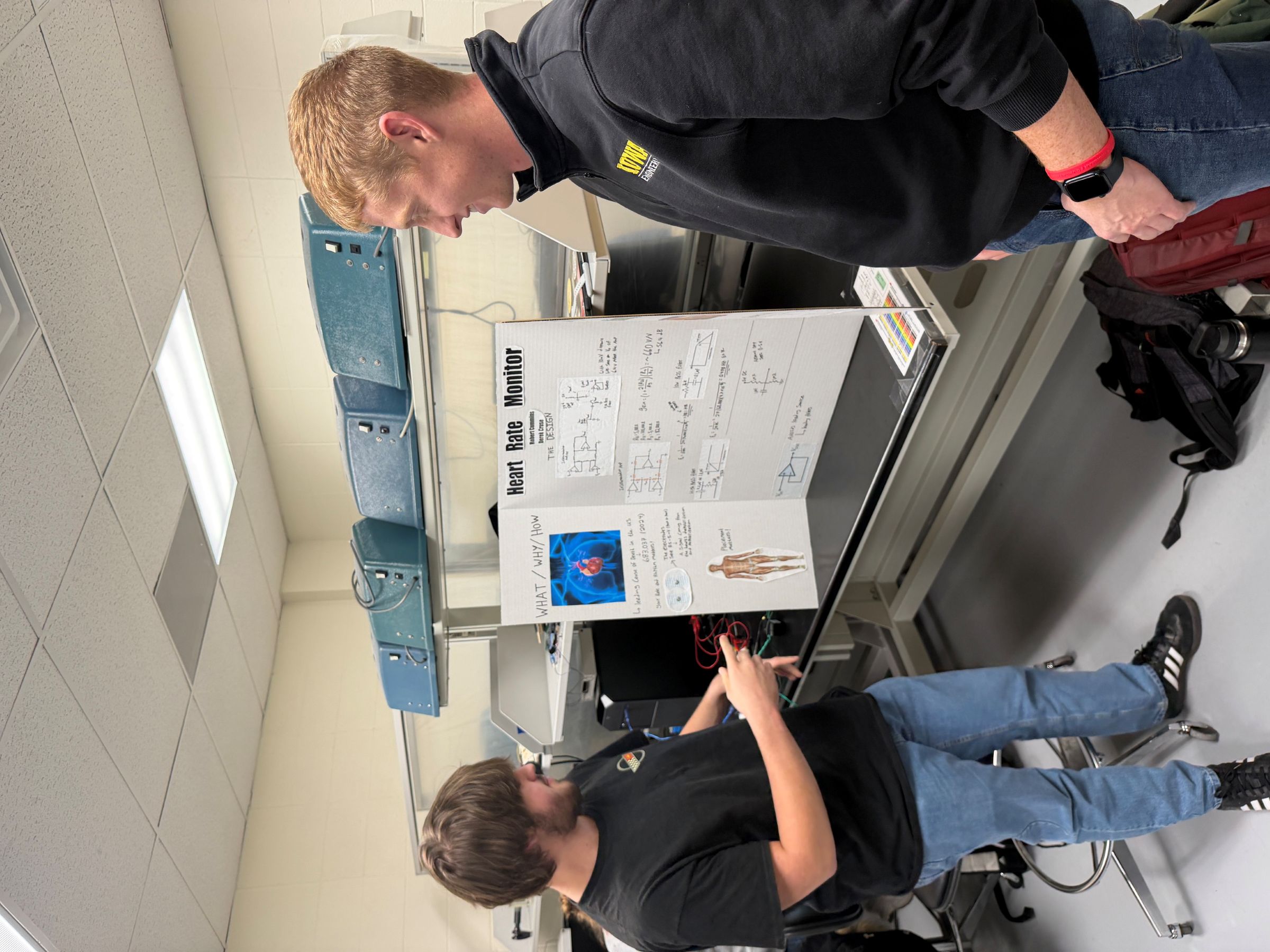
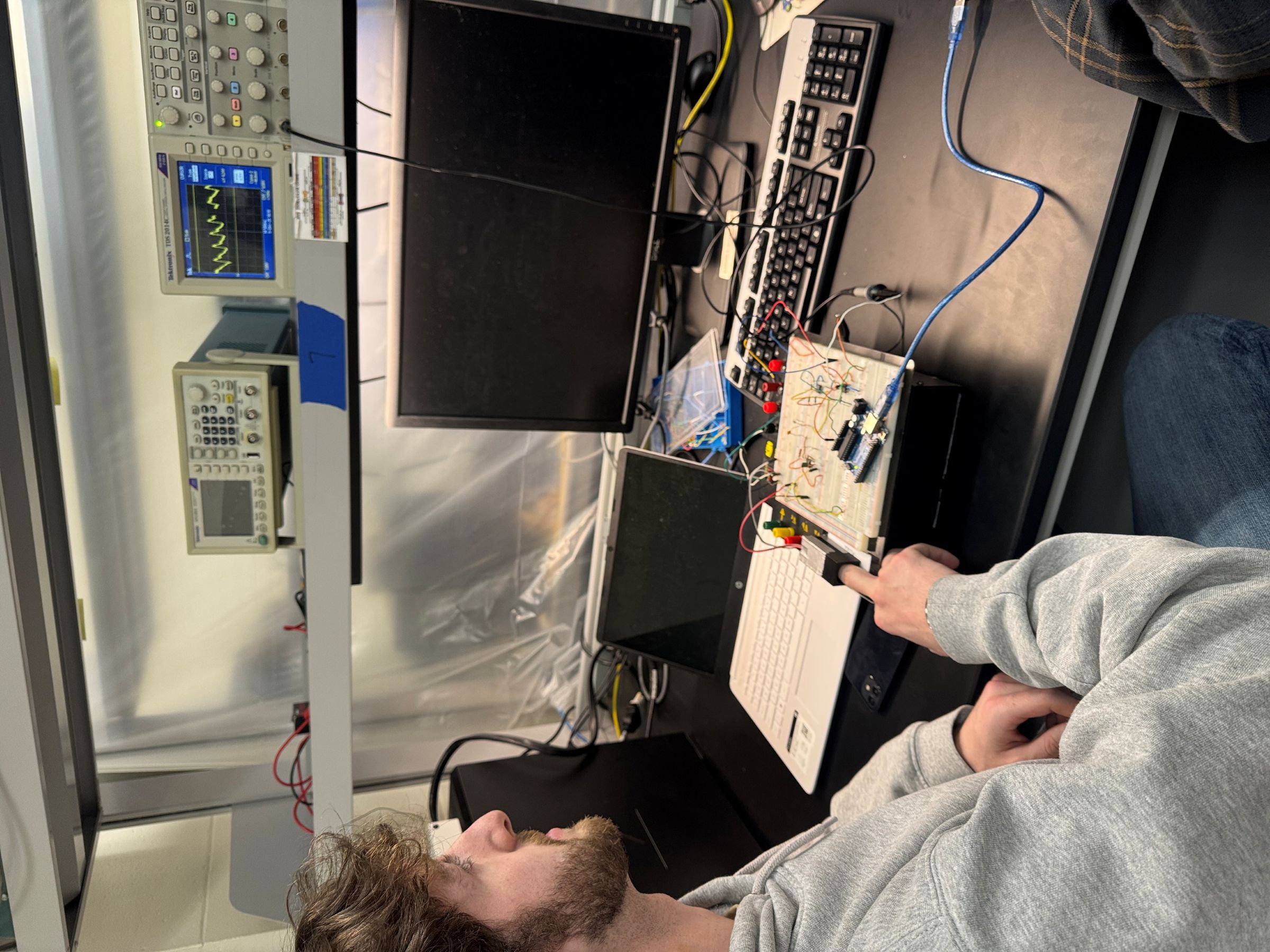
Meet Nora VanHorn and David Sollenberger. Together, they created a functioning electrocardiogram (ECG), which measures heart activity so doctors can monitor and detect heart disease.
They set their device apart by coding an alarm to buzz when a heart rate falls outside the normal range. Another student group, including Kyra Howieson, Mallory McCarron, and Marie Maranto, created a circuit board to interpret Morse code based on the pressure applied to a sensor.
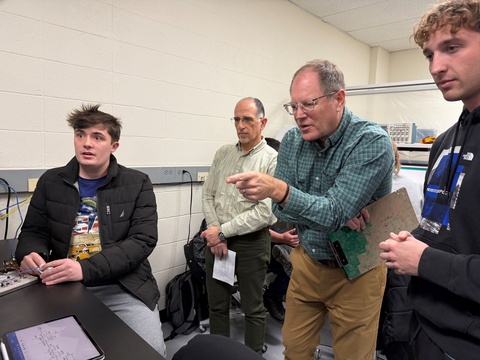
Over several weeks, the students:
- Built sensors on a breadboard circuit
- Wrote code to interpret heart data
- Tackled challenges like amplifying signals and filtering noise
The projects are part of a course co-taught by Osama Saba and Joe Reinhardt called "systems, instruments, and data acquisition.” It gives students hands-on experience in engineering for health. By understanding fundamentals, the next generation of engineers can improve established tools and invent new tools to better solve problems of today and tomorrow.