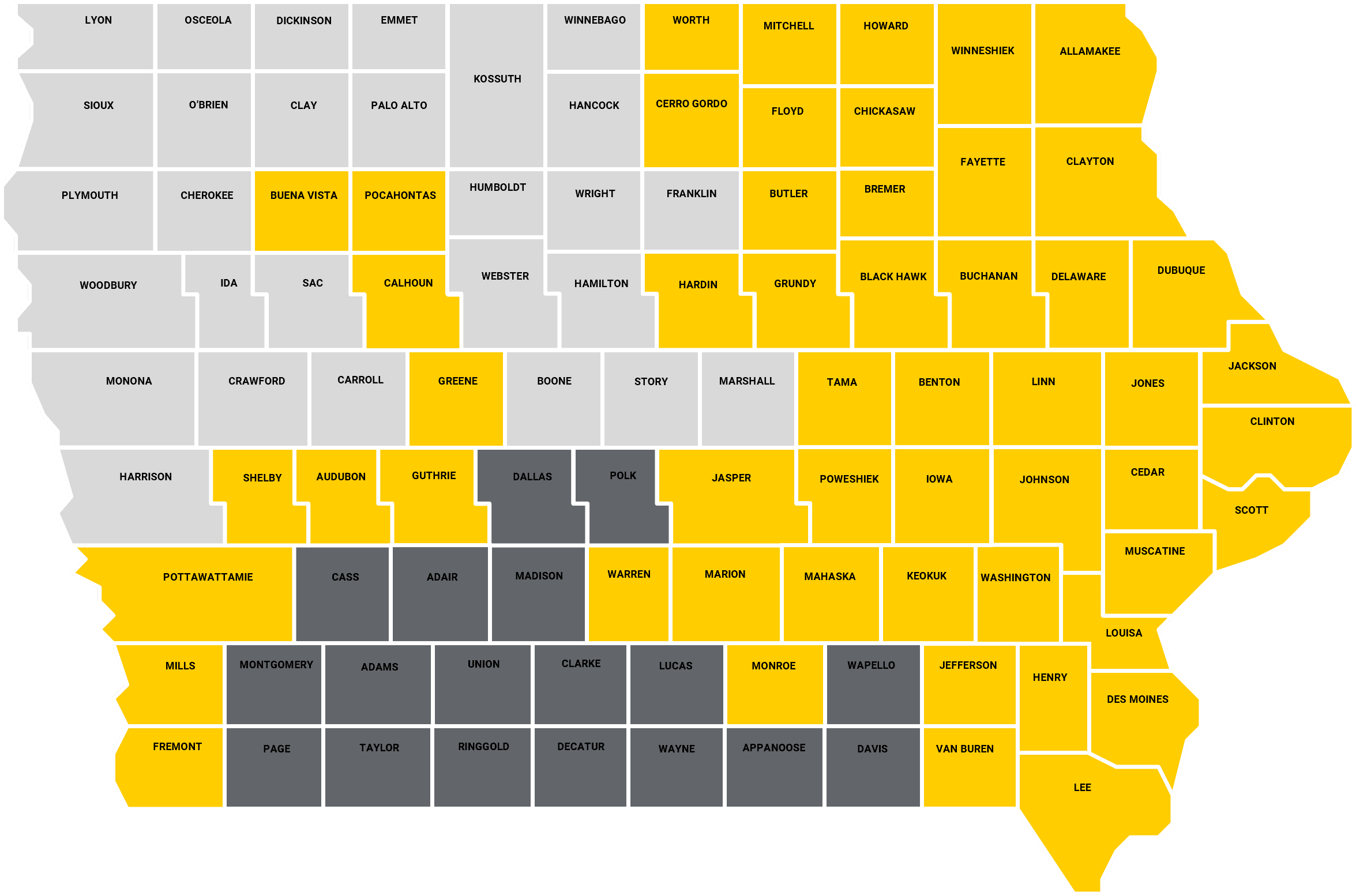
Hydrologic monitoring stations across Eastern Iowa help officials understand flood and drought risks and mitigate their impacts.
The Iowa Flood Center (IFC) has installed 31 new hydrologic monitoring stations (hydrostations) in Eastern Iowa to better monitor and predict floods and droughts. The new stations were funded by a $1 million federal award from Congress’s Community Project Funding championed by Congresswoman Ashley Hinson and Congresswoman Mariannette Miller-Meeks.
The hydrostations measure rainfall, wind speed and direction, soil moisture and temperature, and water levels in a shallow groundwater well. Data collected by the hydrostations are publicly available on the Iowa Flood Information System (IFIS) to help state agencies and communities better understand flood and drought risks and mitigate their impacts. The information collected supports farmers’ land management decisions and research efforts to monitor the impacts of extreme weather on water resources sustainability in Iowa.
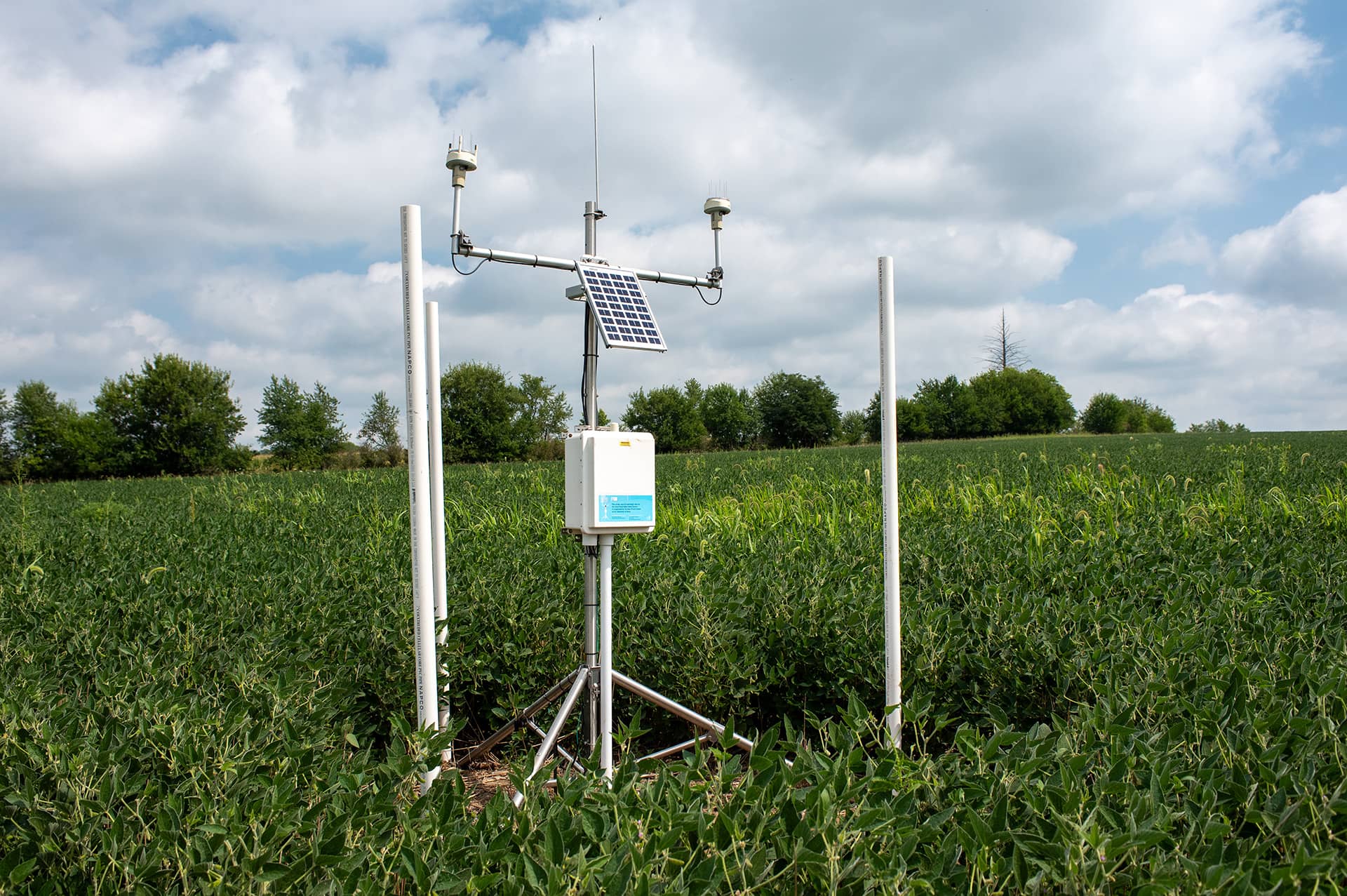
“Recent events have shown how quickly Iowa can change from drought to flood conditions. This funding allows the Iowa Flood Center to continue providing high-quality real-time information for Iowans,” said Larry Weber, professor of civil and environmental engineering and IFC director. “Having a more uniform hydrostation network across the state helps us better support agencies and communities in making flood and drought mitigation, forecasting, and response decisions.”
With this recent expansion, the IFC now has hydrologic monitoring stations in 53 counties, over halfway to its goal of placing one hydrostation in every county in Iowa. The IFC is working with partners and local leaders to expand the network in Western Iowa, as well as to develop an Iowa Drought Information System built off the successful IFIS framework.
The hydrostation network expansion and development of a drought information system are key recommendations in the Iowa Drought Plan developed by the Iowa Department of Natural Resources, Iowa Department of Agriculture and Land Stewardship, and Iowa Homeland Security and Emergency Management in January 2023. These activities fill in data gaps and provide Iowans with more comprehensive and accessible information to support decision-making.
The Iowa Flood Center is part of the University of Iowa’s College of Engineering and is the nation’s only academic research center devoted solely to flooding. The IFC develops reliable tools and information that community leaders, emergency responders, decision-makers, and individuals depend on to help better understand and reduce their flood risks.