A study abroad trip to study water scarcity in rural India allowed a graduating engineering student to see the human impact of civil engineering.
Sydney Parks shared a first-hand account below of a winterim study abroad experience called “Water Scarcity in Rural India, A Freshwater Crisis Case," focused on the benefits of water accessibility and engineering. The May 2025 civil engineering graduate has accepted a position with Shive-Hattery.
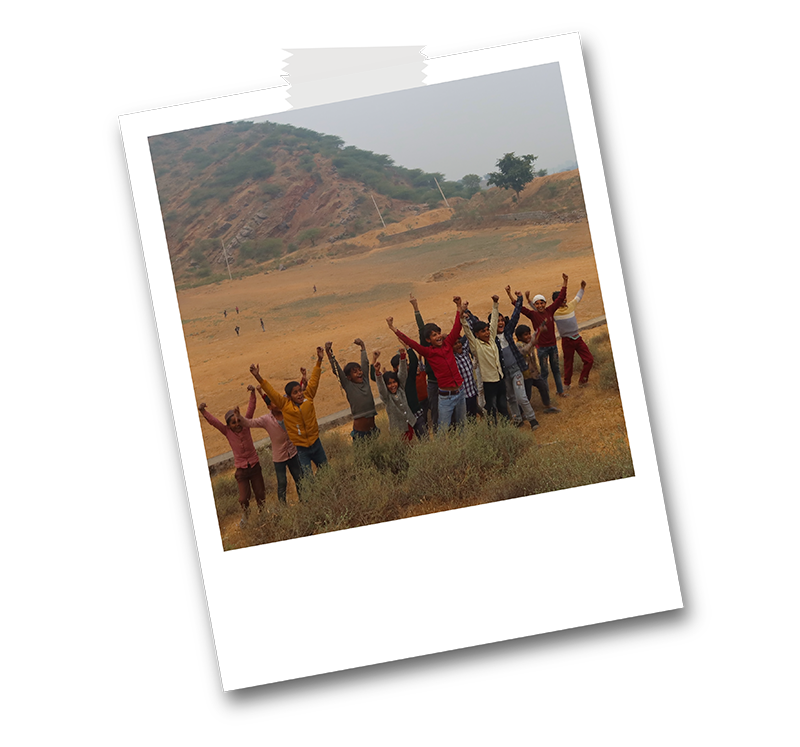
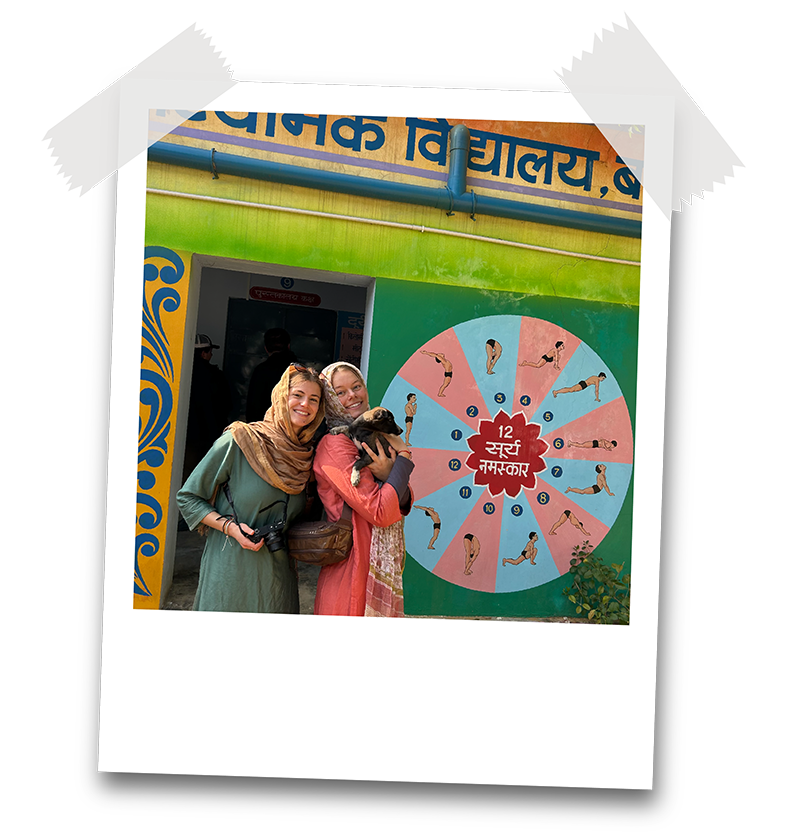
Studying abroad in India last winter was one of the most eye-opening experiences of my life. The experience fulfilled both academic and personal goals of mine by giving me hands-on field experience with water quality testing in rural areas of an unfamiliar country. It also showed me how my degree in civil engineering can directly affect people's lives, livelihoods, and overall well-being.
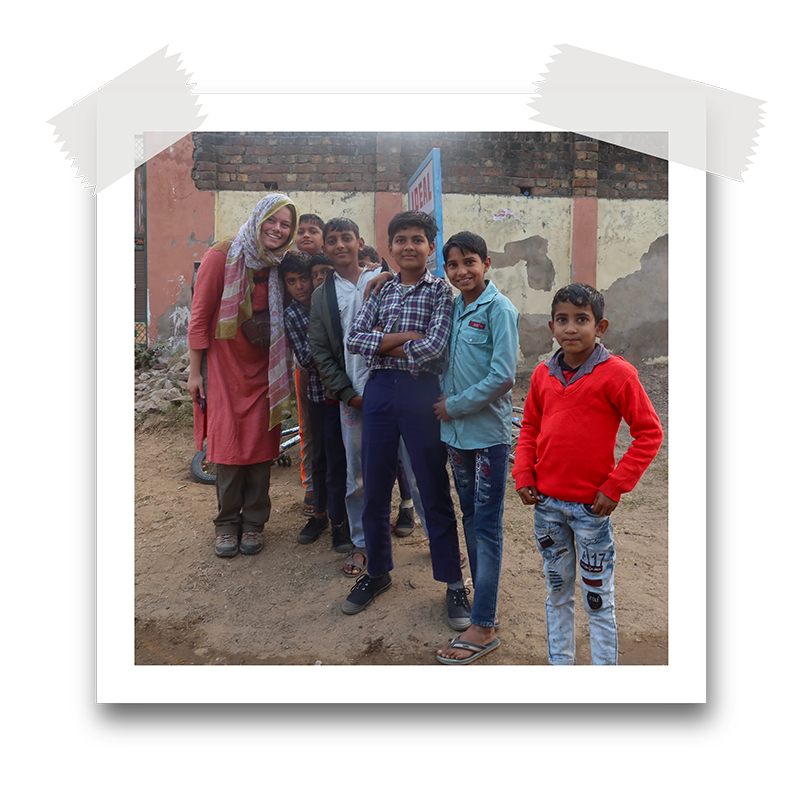
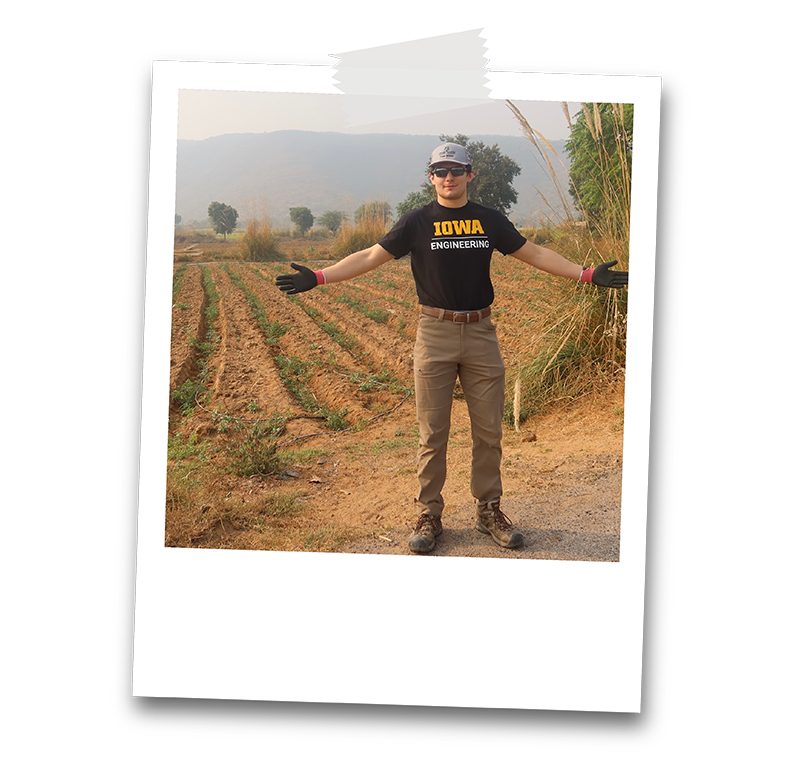
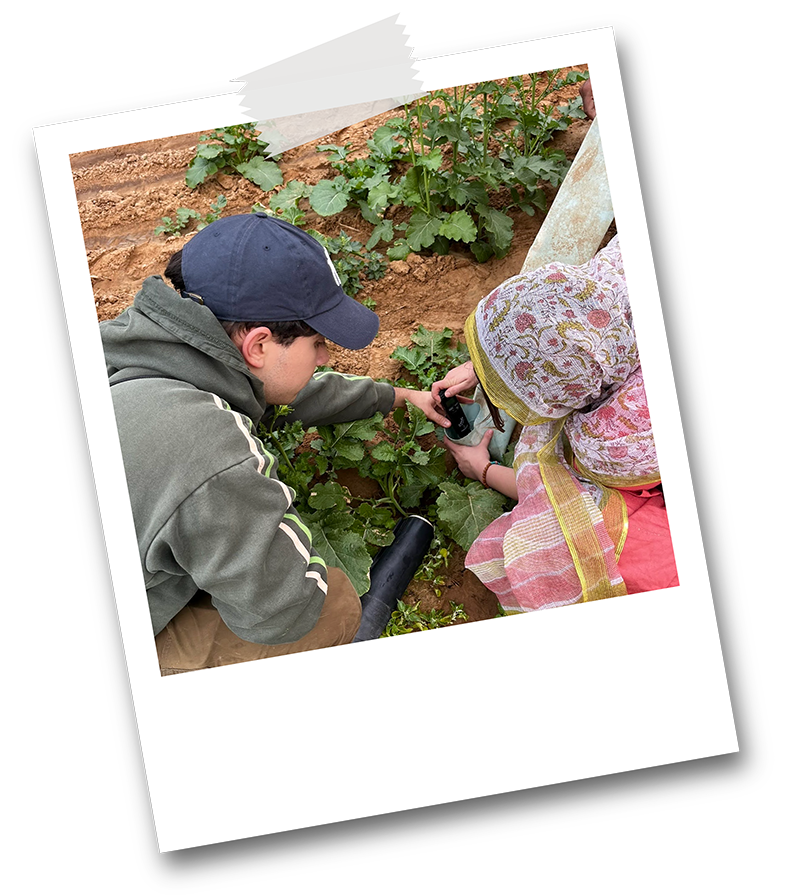
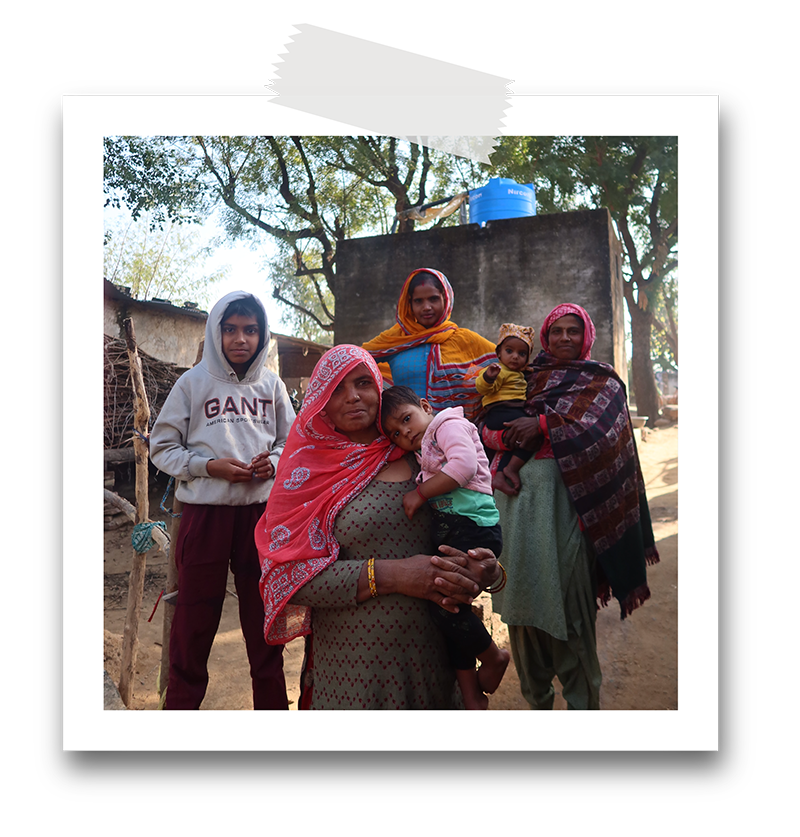
During the trip — December 21 through January 8 — I traveled to several villages in the Indian states of Haryana and Rajasthan with 16 classmates from the University of Iowa College of Engineering and Purdue University College of Engineering. Two professors, Dr. Allen Bradley and Dr. Venkatesh Merwade, guided and supported us throughout. While some villages were surrounded by a peaceful atmosphere of mountains, lush mustard fields, and roaming livestock, many of the homesteads in the villages have limited access to fresh drinking water.
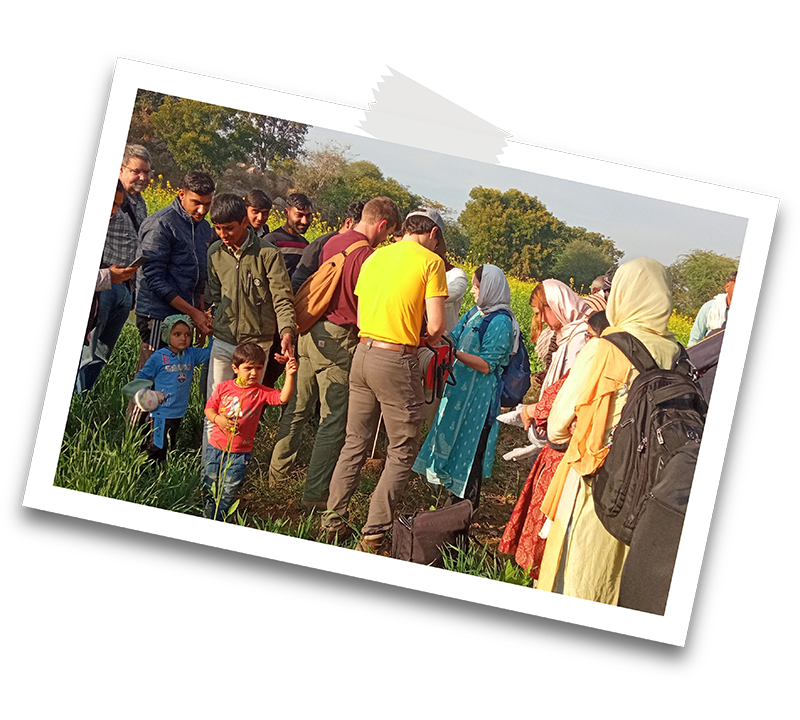
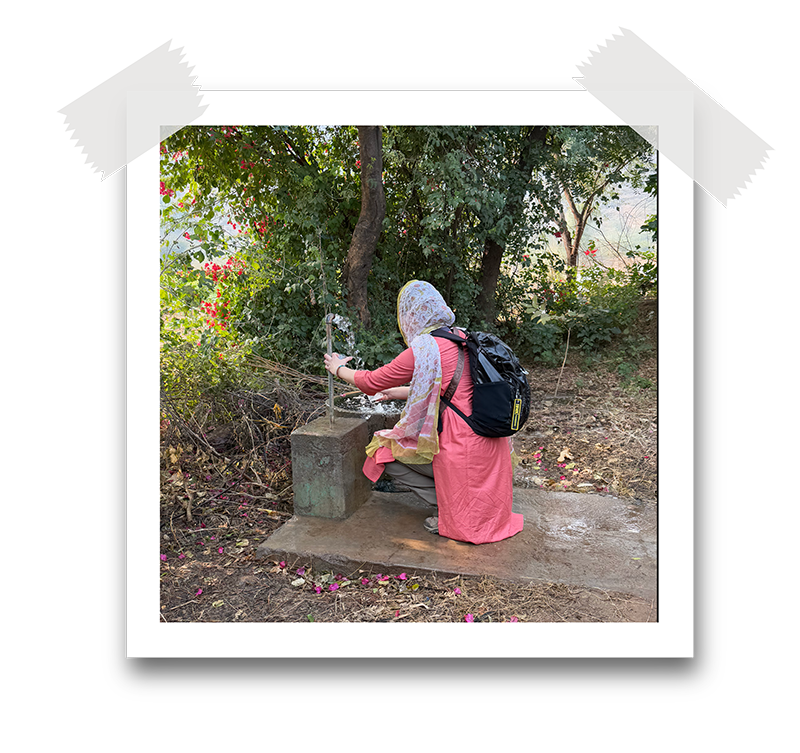
Our team worked with the SM Sehgal Foundation, a nonprofit organization founded in Des Moines, Iowa, dedicated to improving the lives of people in rural India. We tested the villagers’ water supplies for total dissolved solids, nitrates, pH levels, and coliform bacteria. Accompanied by Hindi translators, we also interviewed villagers to better understand their challenges associated with access to freshwater sources near their homes. The Sehgal Foundation will use our research to implement positive changes in these rural communities.
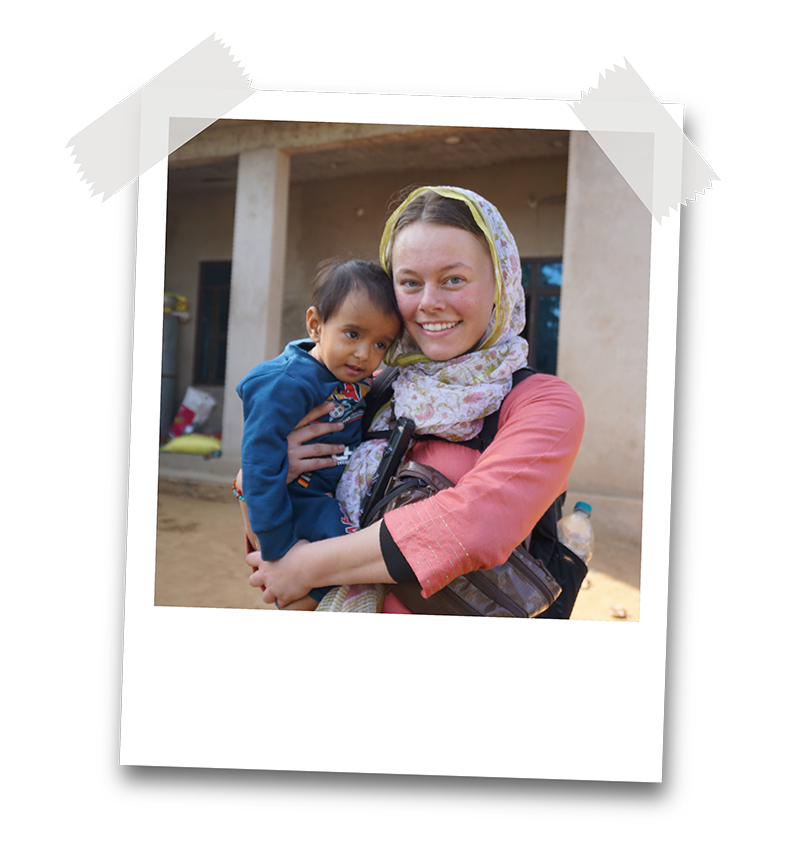
The kindness and unity within the rural communities we visited had a strong impact on me. People there work together to support each other’s families and improve the lives of everyone in their villages. The contrast between the densely populated, often chaotic city of Delhi where I could feel the “every man for himself ” mentality and the nearby villages was striking. However, in both areas, access to necessities can still be a major challenge. This experience reinforced for me the importance of compassion and resilience in using water resource engineering to overcome challenges.
I once had thought studying abroad would be too difficult with my major, but I am incredibly grateful I ended up finding this opportunity. By stepping outside my comfort zone, I grew personally, gained a global perspective, and can still appreciate the resilience of the communities we worked with. My advice to prospective students: do your research and explore all study abroad program options. If you have the opportunity, you must go! You'll be forever changed because of your experiences abroad.